Winter runs often start before sunrise or finish after dark. Cold weather raises questions beyond how your body copes: will the cold drain your watch battery, can you work the controls with gloves on, and can you reroute when a familiar path turns icy? A good winter running watch answers all three with dependable battery life, easy controls and capable navigation.
This guide covers the features that matter most for everyday winter running, then compares two Suunto watches built for it, so you can find the right fit for the way you train.
Table of Contents
What to Look for in a Winter Running Watch
Start with where and how you run. A winter watch needs to work reliably in the cold, stand up to outdoor use, last through your planned sessions, respond to gloved hands and support the way you train. Here's what to check across battery life, display and controls, GPS and navigation, and training data.
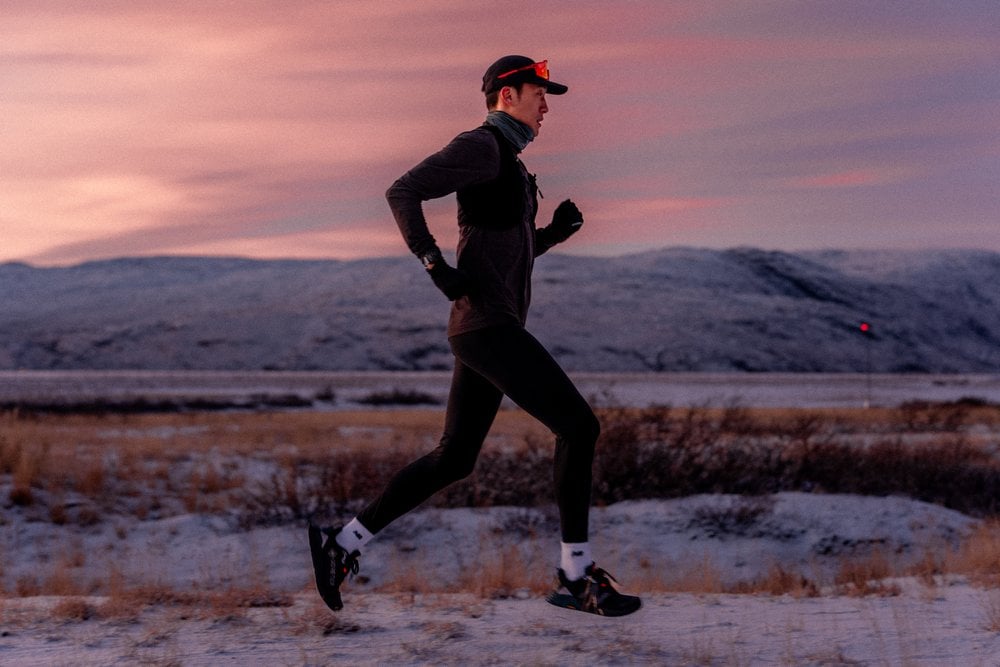
Battery Life and Operating Temperature
Cold weather shortens real-world battery life, so check two numbers before you buy: battery life in GPS mode and the manufacturer's operating temperature range. Make sure that range covers the coldest days where you live.
Both figures are usually listed on the product specifications page, or a sales associate can confirm them in store. If you run long on weekends or head onto the trails, choose a model with extra GPS battery in reserve so long sessions finish with charge to spare.
Readable Display and Glove-Friendly Controls
Gloves keep your hands warm but make touchscreens awkward. Switching data screens, pausing a workout or checking your pace should take a single press with your gloves on. Look for physical buttons or a crown that handle the most common actions.
Readability matters just as much. Look for large, clear data fields, screens that are quick to scroll through and a display that stays legible from low winter sun to pre-dawn darkness.
GPS Tracking, Route Planning and Navigation
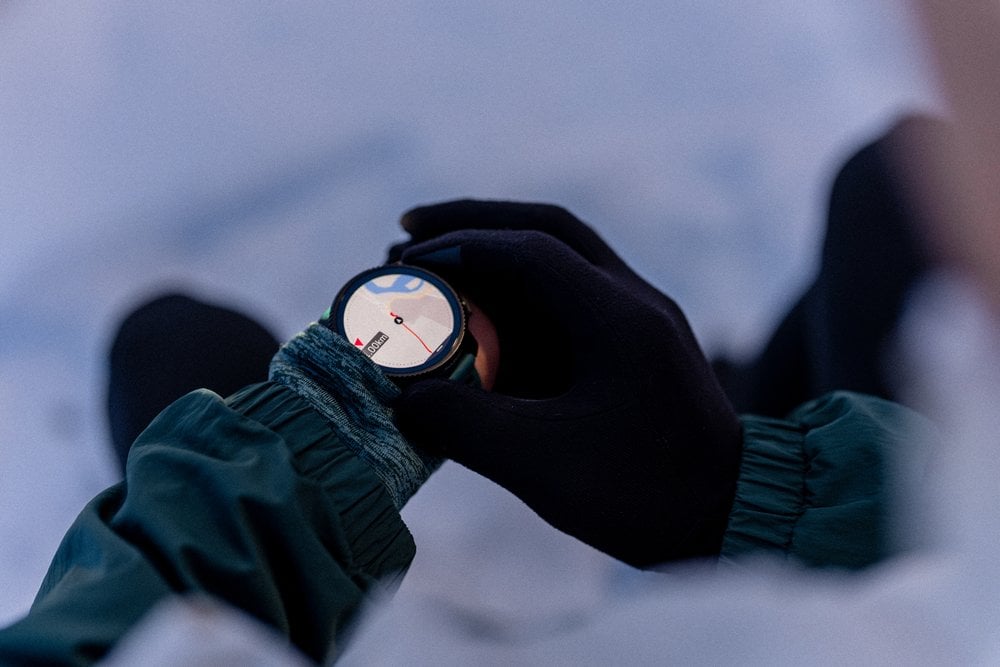
GPS records your distance, pace and route. If you mostly run familiar loops, prioritize stable positioning and clean track recording. If you explore new routes or run trails, also check for route import, offline maps and on-watch navigation.
Snow and ice can turn a familiar road into one you'd rather avoid, so plans may need to change at short notice. Look for watches or companion apps that show popular nearby routes and recent condition reports from other runners, so you can check what's out there and plan a suitable route before you leave. Once you're running, offline maps and on-watch navigation show where you are and which way to go, making it easy to reroute around a bad stretch.
Heart Rate Tracking and Running Performance Metrics
Heart rate is one of the most common ways to gauge running intensity. In the cold, reduced blood flow to the wrist can make optical wrist readings less consistent. If you train by heart rate zones or want steadier, more responsive data, pair your watch with a chest strap, and check that the watch supports external heart rate sensors before you buy.
Beyond heart rate, look for metrics such as pace, cadence, running power and VO₂ Max. Each gives a different view of your running, so you can judge your training on more than pace alone.
Training Load and Recovery Trends
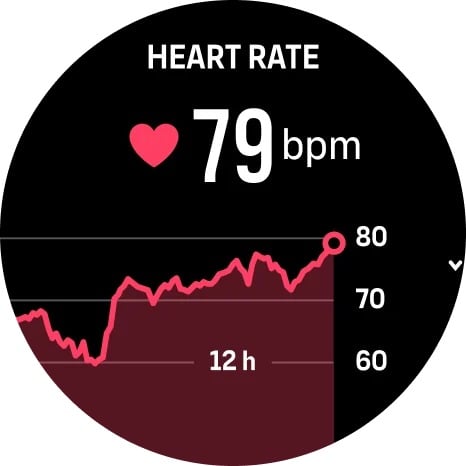
If you follow a training plan or are building toward a race, training load and recovery data become especially useful. Look for training load, recovery analysis, HRV and sleep tracking to see how much you've done recently and how well you're absorbing it.
Winter weather and road conditions can upend a planned week. A watch and app that show training trends over several weeks help you see how your load is changing and adjust upcoming sessions to match your recovery.
Choose a Suunto Watch for Your Winter Running
Suunto sports watches cover everything from everyday road running to trail running and outdoor adventure, with each model balancing battery, navigation and training features differently.
Measured against the criteria above, Suunto Run 2 and Suunto Race 3S both cover the essentials for everyday winter running. Here's how they compare on fit, GPS battery life, navigation and training tools, and which differences matter in practice.
Suunto Run 2: For Everyday Running and Marathon Training
The Suunto Run 2 is a good fit for runners who primarily run on roads, want to maintain a consistent training routine, or are preparing for a marathon. It combines a lightweight design with running-specific tools to support everything from everyday workouts to race day.
- Lightweight fit: The watch weighs 35 g, or approximately 53 g with the official silicone strap. Its lightweight design makes it comfortable for everyday running and convenient to wear after workouts to track all-day activity and sleep.
- Battery life for everyday training: It offers up to approximately 24 hours of battery life in dual-band GPS mode and around 10 days of everyday use. For runners who primarily run on roads, this battery capacity will generally cover regular workouts and longer weekend runs, even allowing for some potential battery loss in cold weather, reducing the need for frequent charging.
- Pacing and race tools: Marathon Mode, exclusive to the Run series, brings key marathon data together in one view. Ghost Runner provides a virtual pacing reference to help you see how your pace compares with your target, while Marathon Time updates your estimated finish time. These tools are useful not only on race day but also for managing pace and evaluating goals during marathon training.
Suunto Race 3S: For Trail Running and Multisport Training
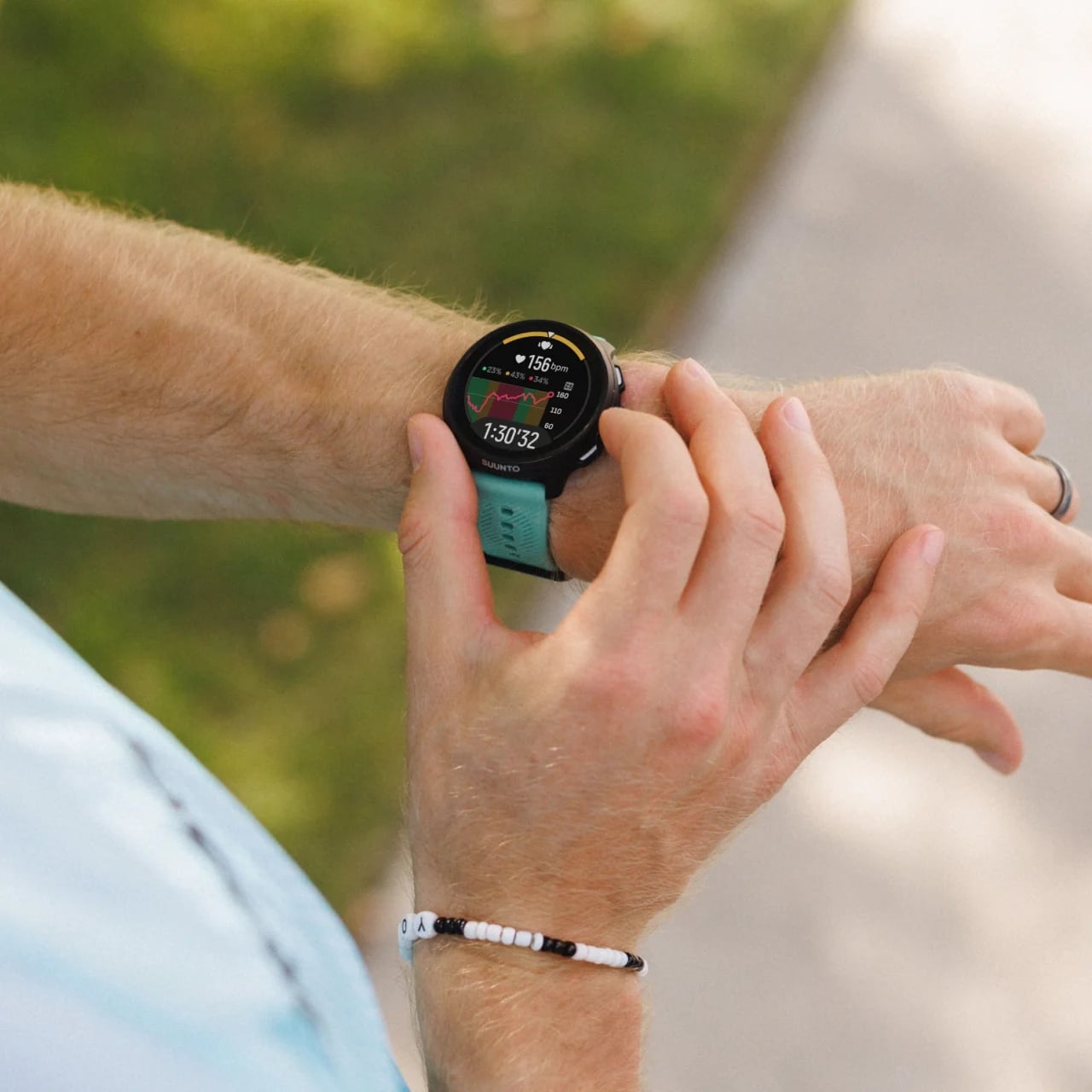
The Suunto Race 3S is a good choice for users who want to combine everyday road running with trail running and other sports. It brings together longer GPS battery life, outdoor navigation, and training management tools in one watch.
- Longer GPS battery life: It offers up to 38 hours in dual-band GPS mode, providing more battery capacity than the Run 2's 24 hours. This makes it suitable for longer trail runs and extended outdoor training sessions, supporting longer periods of continuous activity and reducing the need for frequent charging.
- Multisport modes: With more than 120 sport modes, it covers running, cycling, swimming, and a wide range of indoor and outdoor activities. If your training extends beyond running, you can select the corresponding mode for each activity and keep your training data organized in one place.
- SuuntoPlus feature extensions: SuuntoPlus lets you add sport apps and training guidance, allowing you to expand the watch's capabilities based on your training goals and activity needs.
- Suunto AI Coach insights: Suunto AI Coach can use your training records, sleep, HRV, recovery, and training load to provide personalized training suggestions. For example, if bad weather or schedule changes disrupt a planned workout, or you don't feel up to completing the scheduled session, you can ask AI Coach how to adjust your upcoming training.
What Do Suunto Run 2 and Race 3S Have in Common?
Beyond their individual strengths, the Suunto Run 2 and Suunto Race 3S also share several features that make them suitable for outdoor activities in winter:
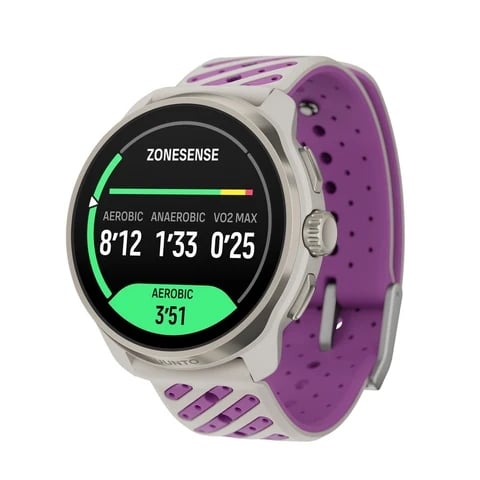
- Operating temperature range: Both watches have an official operating temperature range of −20°C to +55°C, making them suitable for outdoor running and everyday activities in colder conditions.
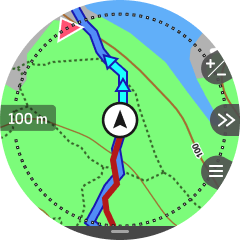
- Dual-band GPS and route navigation: Both support dual-band GPS, offline maps, and route navigation to help you record workouts, confirm your location, and follow your route. If you regularly explore new routes or go trail running, Climb Guidance can also help you anticipate elevation changes along the route, including ascents and descents.
- High-brightness AMOLED display: Both watches feature a 1.32-inch AMOLED display with a resolution of 466 × 466 pixels and a peak global brightness of up to 2,000 nits. The high brightness helps keep workout data visible outdoors in bright conditions, while the sharp display makes information easy to read at a glance while running.
- Training and recovery tracking: Both provide data on training load, HRV, sleep, and recovery, helping runners monitor their training and rest over time. Winter weather can affect training frequency and intensity, and these historical trends can help inform future training decisions.
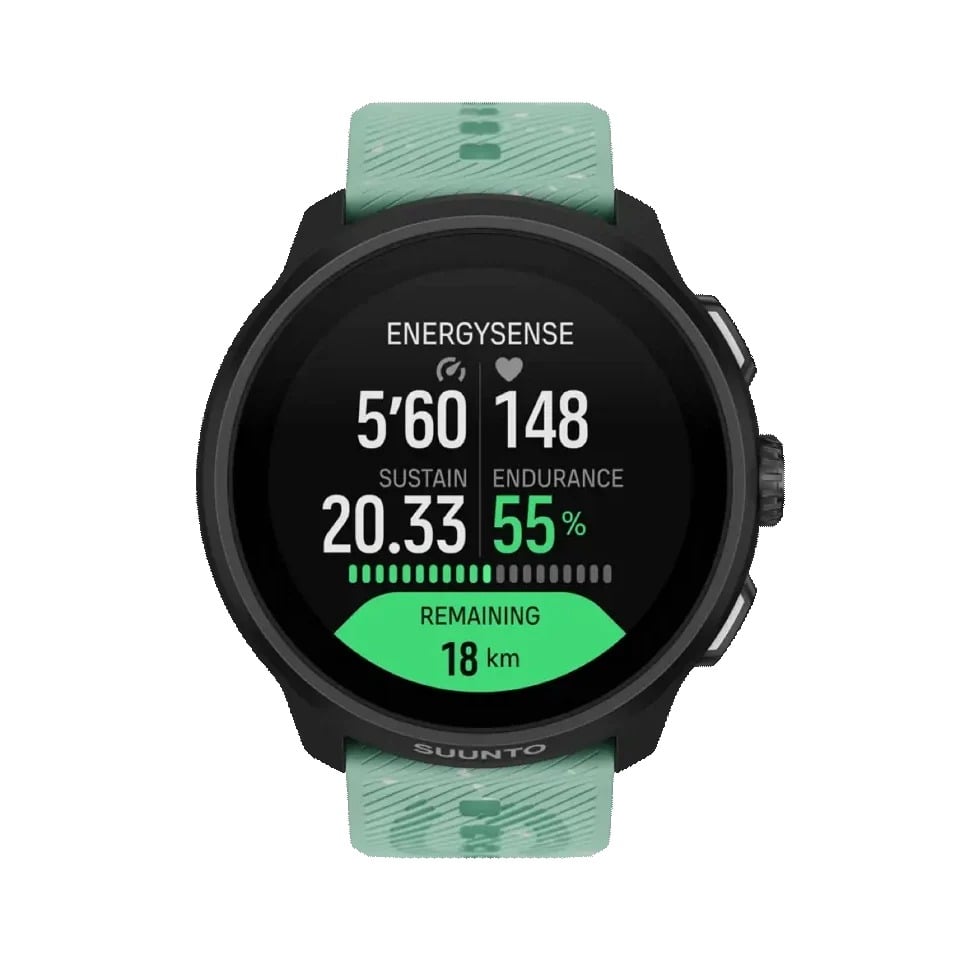
- EnergySense endurance assessment: Estimates your remaining endurance during a run, helping you understand your current energy expenditure and make more informed decisions about pacing and effort distribution over longer distances.
- Offline music playback: Both support storing music directly on the watch and playing it through Bluetooth headphones. When running alone on a winter morning or evening, you can listen to music without carrying your phone, reducing the number of items you need to bring along.
If you also enjoy hiking or extended outdoor adventures beyond everyday running, consider the Suunto Vertical 2. It offers up to 65 hours of battery life in its most accurate GPS mode, along with offline maps, navigation tools, and a built-in LED flashlight to support longer outdoor activities.
Practical Tips for Running Outdoors in Winter
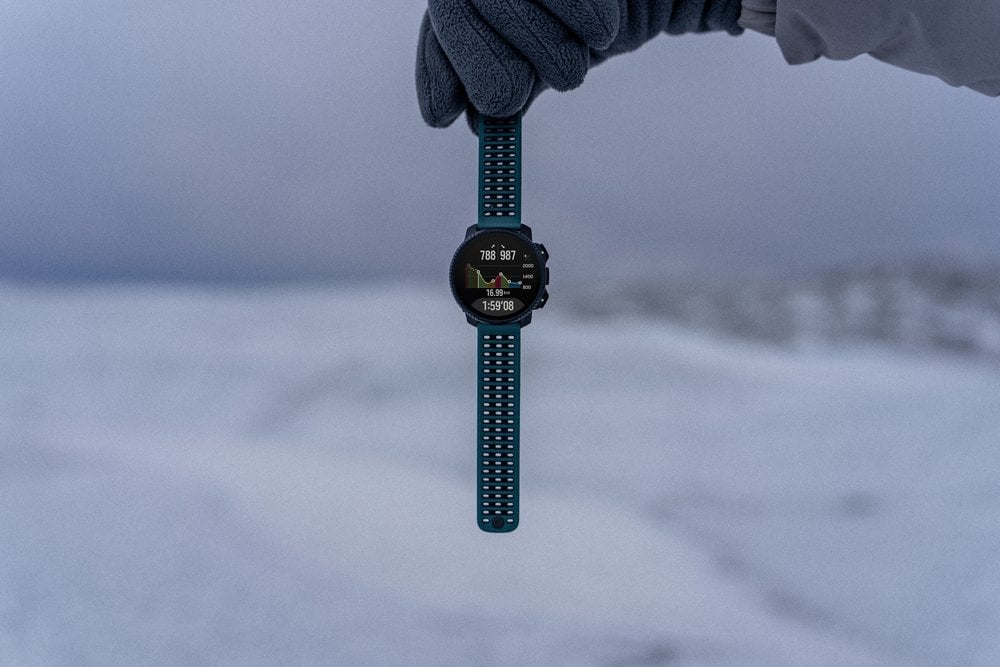
When running outdoors in winter, it's worth paying attention to both your pre-run preparation and the details of your workout. From choosing the right clothing and warming up to staying safe on your route and adjusting workout intensity, the following tips can help you handle the demands of running in cold weather.
Dress in Layers and Protect Your Extremities
Layering is the most practical approach. Start with a moisture-wicking base layer, add an insulating mid layer to suit the conditions, and finish with a windproof or waterproof shell against wind, rain and snow.
Protect your hands, head and ears with running gloves and a hat, and choose warm socks. Dress to feel slightly cool when you start. Your body heats up quickly once you're moving, and too many layers lead to heavy sweating. Damp clothing chills you fast once you finish or slow down.
Warm Up and Start at an Easy Effort
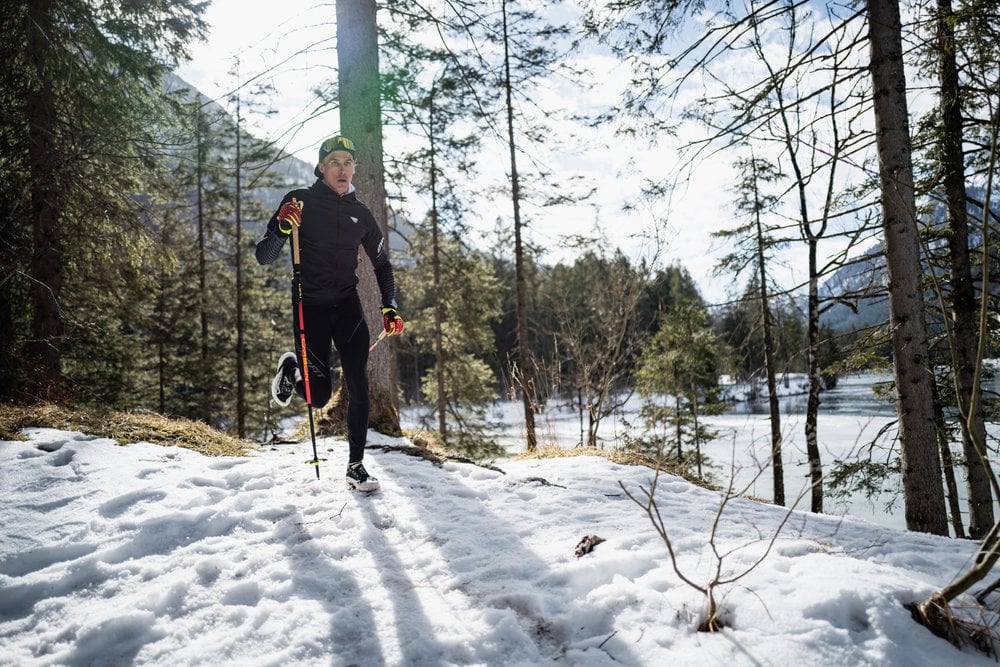
Give yourself a longer warm-up in the cold so your body can adjust gradually. Start with dynamic movements, then walk briskly or jog easily to raise your body temperature before settling into your planned pace.
Once you're running, build into your target pace gradually. This matters most before a tempo run or interval session. Start easy and pick up the pace once you're warm, so the hard efforts land on a body that's ready for them.
Plan for Darkness and Changing Route Conditions
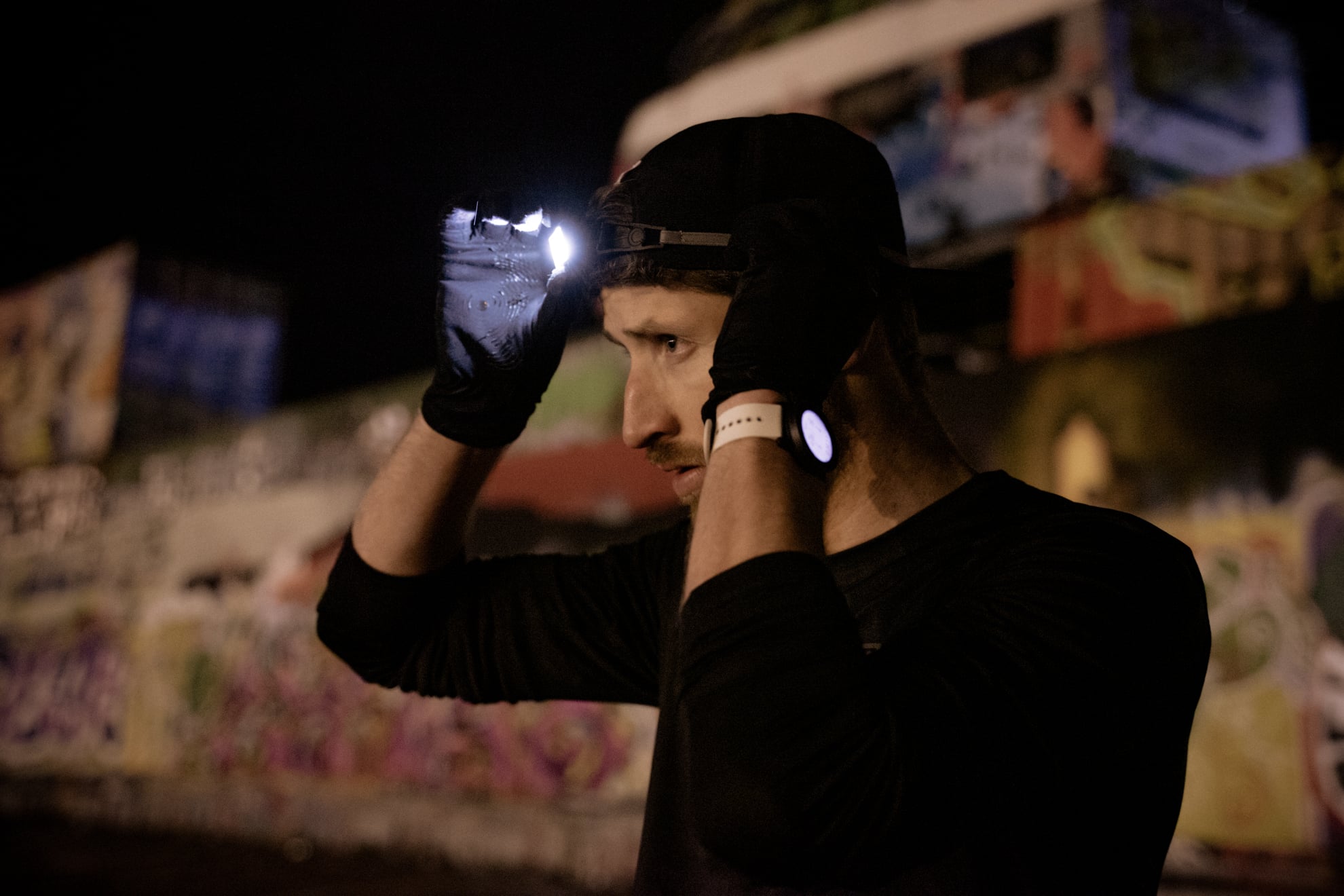
Short winter days mean low light on morning and evening runs, making it harder for you to see the path and for others to see you. Stick to familiar, well-lit routes where you can, and wear running gear with reflective details. If your route takes you through darker stretches, a headlamp lights the way ahead.
Let the day's weather shape your route. Snow, ice and standing water change how safe a road is, even one you know well. Check the forecast and route conditions before you go, and choose routes that make it easy to cut the run short or turn back early. If you meet ice or a particularly slippery section, take another route or call the run early.
Let Effort Set the Pace
Cold, wind and footing all affect pace. Running into a headwind or across slick ground slows you down even at the same effort. Let your breathing, how you feel and the surface underfoot guide your speed, and treat your planned pace as a guide for the day.
When conditions turn rough, slow down, shorten the distance or swap a planned speed session for an easy run. If you cut a run short or skip it, let the missed miles go and pick up your plan at the next session, adjusting the week around how you feel and what the forecast holds.
Takeaways
Choose a winter running watch around the sessions you do most, then make sure it supports everything else you do through the year. Whether you pick Suunto Run 2 or Race 3S, look for features that fit your training habits and stay useful in every season. With the right gear and a plan that flexes with the weather and how you feel, running stays a consistent part of your life all winter long.
FAQ
Is Running in Winter Good for You?
Absolutely. Cool conditions reduce the heat stress that comes with running in hot weather, which helps many runners hold a steady effort. Running through winter also keeps your training consistent and maintains your aerobic fitness year-round. Adjust each session to the weather, footing and how you feel, dress for the conditions and warm up thoroughly.
Does Cold Weather Affect Suunto Watch Battery Life?
Yes. Cold temperatures can reduce your watch's actual battery life. GPS mode, an always-on display, and other feature settings can also affect power consumption. Before a long winter workout, make sure your watch is fully charged and allow some extra battery capacity.
Can You Wear a Suunto Watch in Freezing Temperatures?
Yes! Suunto watches are designed to operate in below-freezing temperatures. However, laboratory testing conditions may differ from real-world use, and factors such as temperature, usage patterns, and feature settings can all affect actual watch performance.