Building speed gradually is a skill many runners want to master. If you usually hold a steady effort from start to finish, learning to pick up the pace through a continuous run while saving energy and rhythm for the second half is well worth practicing.
A progression run builds gradual speed increases into a single continuous run, training your intensity control and energy management. Whether you want to pace your everyday runs better, build endurance for sustained efforts or prepare for a 5K, 10K, half marathon or marathon, it's a valuable addition to your training plan.
This guide covers how progression runs work, how to plan them around your ability and goals, and example workouts for different objectives.
Table of Contents
What Is a Progression Run?
In a progression run, you gradually increase your pace over the course of a single run. You start at an easy, comfortable pace and speed up as the run goes on, reaching a planned target pace in the later stages.
Progression runs can build continuously or in stages. In a continuous progression, you lift your speed in small increments throughout the run so your pace builds steadily. In a staged progression, you split the workout into segments and hold a set pace or intensity in each before moving to the next. Both follow the same direction, from slower to faster, and you can adjust the number of segments, their length and the target for the final one.
Progression runs teach you to raise your effort gradually and spread your energy based on how you feel. A relatively easy start keeps you from spending too much too soon, and the later stages ask you to hold a steady rhythm and form as the load rises and fatigue builds. Over time, you get better at handling changes in intensity and adapting to different effort levels. If you have a race goal, it's also practical experience in managing energy, holding pace late in the race and picking up speed when it counts.

Progression Run and Other Running Workouts
A progression run can follow a negative split strategy, where the second half is faster than the first, but the two describe different things. A progression run is a workout built on gradually rising intensity, while a negative split is a pacing strategy comparing the two halves of a run, and it can apply to other workouts too.
Progression runs, tempo runs and fartlek runs can all involve changes in speed, but they differ in structure and focus. Here's how they compare:
| Workout Type | Key Characteristics | Training Focus |
|---|---|---|
| Progression Run | Gradually increase pace or exercise intensity during a continuous run | Control the pace increase and reach the target in the later stages |
| Tempo Run | Maintain a relatively high, steady intensity for a period of time | Extend the duration you can sustain a higher intensity |
| Fartlek | Alternate between faster and slower running at flexible intervals during a continuous run | Practice switching between different speeds |
You can also combine them. For example, you can build a progression into a tempo run by gradually lifting your pace at your target intensity. Choose or mix these workouts in your weekly running plan to suit your current goals.
How to Structure a Progression Run
Once you know the purpose of your workout, you can plan its stages. A progression run usually has three parts, each with its own role: an easy start, a middle transition and a finish at your target intensity. A common version splits the run into three equal time segments, but that's only one option, and your stages can be any length.
Start with an Easy Pace
The opening stage works as a warm-up and sets a low-intensity starting point. Your pace should feel comfortable, giving your breathing, stride and rhythm time to settle.
Give this stage plenty of time rather than cutting it short to fit in more fast running later. In a three-part structure, the whole first segment can be easy running, and longer versions usually reserve an even bigger share of the distance for easy running.

Gradually Increase Your Pace
The middle stage bridges the gap, with a target effort between the opening and final stages. It can be a single segment or several shorter steps of rising intensity.
To plan it, set the target intensity and duration of the final stage first, then allocate time or distance to the transition. If the jump from start to finish is small, keep the transition simple; if it's bigger, give it more time. The stages can be different lengths, and the pace increases can vary.
Finish at a Planned Intensity
The final stage carries the main purpose of the run, so set its intensity and duration in advance. In a gentler version, it stays within your easy range. Harder versions reach moderate to moderately high intensity, and race-specific versions use your target race pace. A harder finish isn't automatically a better workout; what matters is that it fits your current goals and overall plan.
Finish with an easy jog or walk to cool down and bring your intensity down gradually.
Set Your Intensity Targets
With your stages planned, set intensity targets for each. Heart rate, pace, running power and rating of perceived exertion (RPE) each measure effort differently. Based on your goals, data and equipment, choose one as your main reference and use the others to back it up.
- Heart Rate: Shows how your body is responding to the effort. The heart rate zones below use a five-zone model based on maximum heart rate, in which Zones 1 to 4 correspond to approximately 50% to 60%, 60% to 70%, 70% to 80% and 80% to 90% of maximum heart rate. These are the zones used in the examples that follow; the full model also includes Zone 5. If you set your zones by heart rate reserve or lactate threshold heart rate, use your own personal zones instead of these percentages. Zone boundaries can also vary between devices and training systems, and age-based estimates of maximum heart rate may not reflect individual differences.
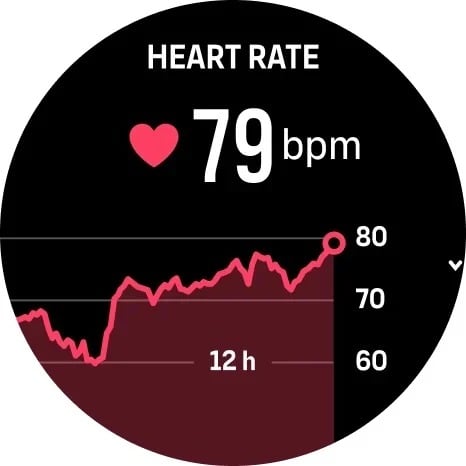
- Pace: Sets the speed target for each stage. Base your targets on recent training or race results, and allow for the route and weather.
- Running Power: If you've set personal power zones, you can use power to set targets for each stage, then pair it with heart rate and perceived effort to track how your body responds.
- Rating of Perceived Exertion (RPE): Adds your own feedback to the numbers. The examples below use a 0 to 10 scale, where 0 means no effort and 10 means maximum effort. RPE doesn't map directly to heart rate zones, so weigh it alongside your breathing, the Talk Test and your overall sense of effort.
In practice, set pace or power as your target for each stage, then use heart rate and RPE to check that your actual intensity matches the plan. Heart rate lags behind changes in pace, so your metrics won't all hit their targets at the same moment as you move between stages.
Progression Run Workout Examples
The three examples below focus on pace changes at low intensity, pace control through a stronger finish, and marathon-specific work late in a long run. Each stands on its own, so you can pick the one that fits rather than working through them in order.
- Easy Progression: For runners who can comfortably run for about 30 minutes without stopping and want to practice small pace increases while keeping the whole workout easy.
- Thirds Progression: For runners who train regularly, can comfortably run for about 45 minutes and have some experience above easy intensity. The focus is building gradually toward a stronger but controlled pace.
- Fast-Finish Long Run: For marathon runners used to easy long runs of around 90 minutes and with some experience at marathon-specific pace. The focus is holding your planned race-specific intensity late in a long run, rather than simply finishing faster.
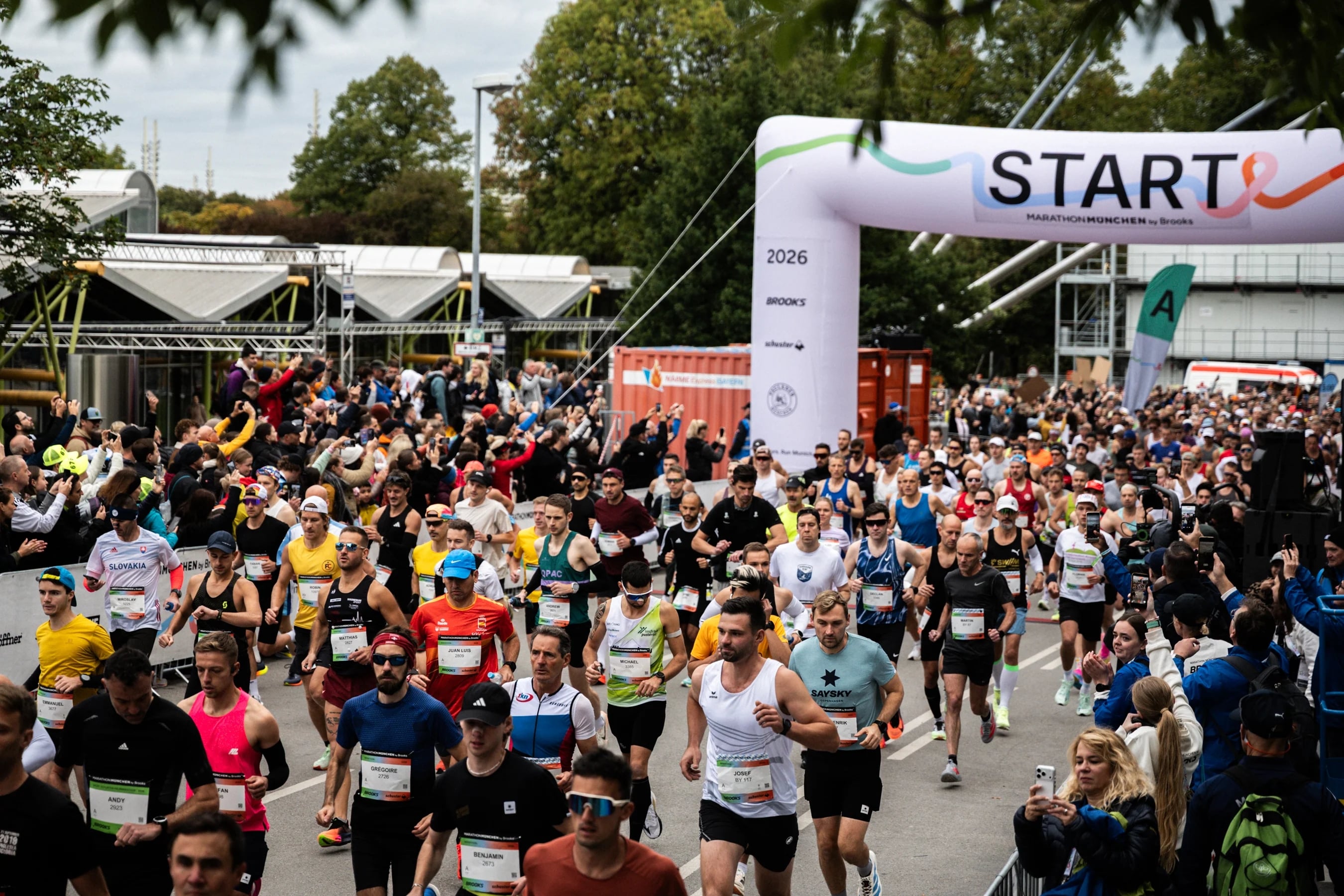
These prerequisites are a guide to whether an example suits your current fitness, rather than fixed requirements. Each stage uses duration, heart rate and RPE as references instead of a set pace. The heart rate zones follow the five-zone model introduced earlier; use the zones that fit your own training, and treat RPE as a complement to your actual effort rather than a direct match for heart rate.
Once you've chosen an example, adjust the total duration, the finishing intensity and its length to your training background. When making a workout harder, change one variable at a time. Extend the final segment first, for example, then raise its intensity once you've adapted, so you're never increasing duration and intensity together.
Easy Progression: Practice Changing Gears
This 25- to 30-minute workout uses small pace increases to practice changing gears while keeping the whole run at low intensity. Use your personal low-intensity heart rate range as a guide. The second and third stages can both stay in Zone 2 (you don't need a higher zone just to separate the stages).
| Stage | Duration | Perceived Effort Reference |
|---|---|---|
| Stage 1 | 10 minutes | RPE around 2: Start relaxed, with almost no need to consciously control your breathing |
| Stage 2 | 10 minutes | RPE around 3: You can hold a natural, continuous conversation |
| Stage 3 | 5–10 minutes | RPE around 4: Increase your pace slightly from the previous stage while still being able to talk comfortably |
The RPE values for each stage are only guidelines; you don't need to aim for an exact score. The goal of the final segment is to pick up the pace while staying comfortable, finishing with energy to spare.
Thirds Progression: Build Controlled Pace
This 45-minute workout is split into three 15-minute stages, moving from an easy pace to a stronger but controlled finish. The three-part structure is based on McMillan's Thirds progression run. The heart rate and RPE references in the table below are practical guidance for this article rather than part of the original workout.
| Stage | Duration | Heart Rate Reference | Perceived Effort Reference |
|---|---|---|---|
| Stage 1 | 15 minutes | Your personal easy-run heart rate range, using Zone 2 as a reference | RPE around 3: Breathing feels relaxed, and you can maintain a conversation |
| Stage 2 | 15 minutes | Gradually transition toward Zone 3 | RPE around 4–5: Breathing becomes deeper, and you may need to pause while talking |
| Stage 3 | 15 minutes | Use Zone 3 as the main reference. Runners with a stronger training base may approach Zone 4 depending on their ability, with the upper limit set according to their individual fitness | RPE around 6: Noticeably challenging but sustainable at a steady effort; only short conversations are comfortable |
The first time you try it, shorten the final segment to 5 to 10 minutes and the total workout to 35 to 40 minutes. Aim to finish the last segment at a steady effort rather than flat out.
Fast-Finish Long Run: Add Race-Specific Work
This workout puts race-specific intensity late in a long run, so you practice holding your planned marathon pace with fatigue already building. It runs 90 minutes in total: 70 minutes easy, a 5-minute transition and 15 minutes at race-specific intensity. Adjust the breakdown to suit your training background.
| Stage | Duration | Heart Rate Reference | Perceived Effort Reference |
|---|---|---|---|
| Stage 1 | 70 minutes | Your personal easy long-run heart rate range, using Zone 2 as a reference | RPE around 3–4: Stay relaxed and save energy for the later stages |
| Stage 2 | 5 minutes | Allow your heart rate to rise gradually as you increase your pace; don't force it to enter the next zone immediately | Gradually increase to RPE around 4–5 as your effort builds steadily |
| Stage 3 | 15 minutes | Refer to your heart rate range from recent marathon-specific workouts. Some runners may be in Zone 3 | RPE around 5–6: Requires focus, but you should be able to maintain the planned effort for the full duration |
The first time, shorten the race-specific segment and give more time to easy running. Heart rate at marathon intensity varies from runner to runner, so there's no single zone to hit. If you have relevant training data, use heart rate and perceived effort from similar conditions to set an upper limit for the final segment.
How to Adjust Your Progression Run
Set targets for each stage before you start, then let how you feel on the day decide whether to stick with the plan. Common pitfalls include spending too much energy early, lifting the pace too aggressively and chasing your original targets when conditions change. These adjustments keep the workout on purpose and the extra load under control.
- If you're over your planned intensity early, slow down first, then adjust the remaining stages. Whether you started too fast or just aren't feeling your best, ease off if the easy segment already feels hard. If the effort settles back to comfortable, reduce the pace increase planned for later. If it still feels too hard, drop the progression and shorten or end the session if needed. Finishing every planned stage is optional.
- If heat, humidity, hills or headwinds change the conditions, reassess your pace targets. The same speed can take more effort in tougher conditions, so slow down and use real-time power and RPE to manage intensity. If conditions are especially tough, shorten the harder segment or run the rest easy. Each segment doesn't have to be faster than the last.

- If you feel sharp or worsening pain in your knees, ankles or elsewhere, especially if it changes your running form, stop the workout to avoid further stress on the area. If the pain doesn't ease with rest or keeps returning when you run, see a doctor or physical therapist to find the cause and plan your recovery.
How Suunto Helps Your Progression Runs
From planning each stage to managing intensity on the run and reviewing your performance afterward, Suunto sports watches and the Suunto app help you put your progression run plan into practice. Available features vary by watch model.
For a staged progression run, set the duration and target intensity for each stage in the Suunto app, then sync the workout to a compatible watch. You might split it into easy running, a gradual build and running at your target intensity, for example. On the run, structured workout guidance keeps track of stage changes for you, so you can focus on running instead of watching the clock.
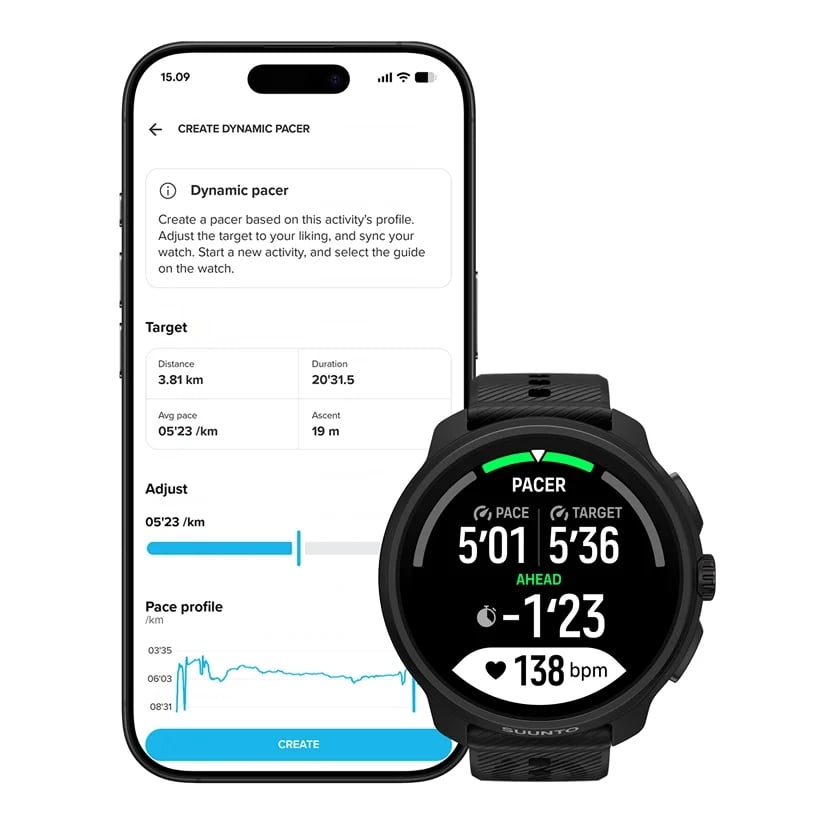
If you've set pace targets, add Ghost Runner to a compatible watch from the SuuntoPlus Store. Through the progression stages, use your target pace as the reference and watch the gap to the virtual runner to see whether your speed is on track. It helps you control how quickly you build and avoid hitting your final-stage target too early.
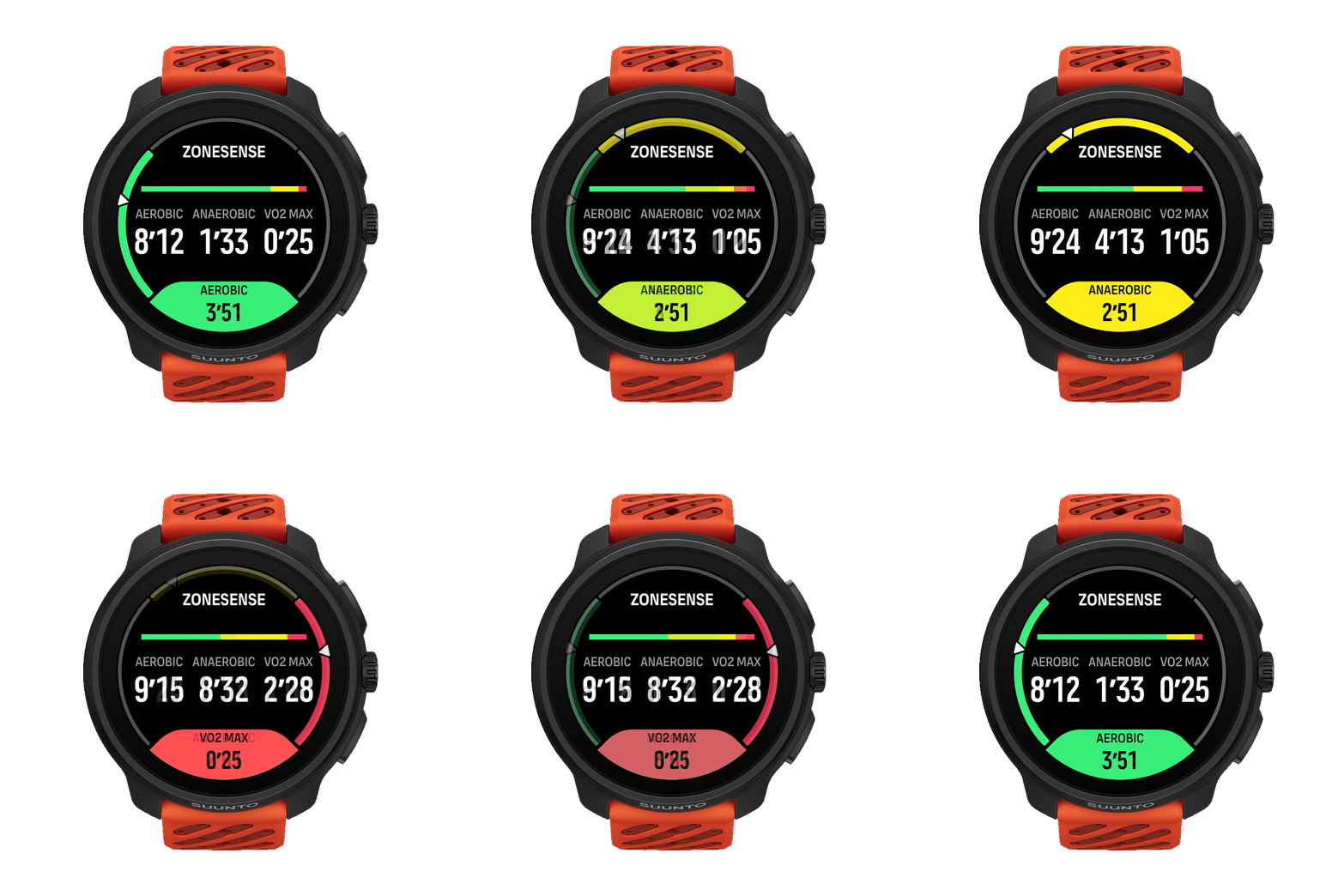
ZoneSense lets you track changes in intensity across stages. Check that your effort stays in the planned range early on, then watch for any unexpected jump as you pick up the pace. If intensity climbs faster than expected, reduce the pace increase or hold your current rhythm. Real-time use requires a supported Suunto watch and a compatible heart rate belt.
After the workout, review your pace and heart rate for each stage in the Suunto app to see whether your pace built smoothly and whether you reached your planned intensity at the end. If you spent too much early or struggled to hold the target late, use those insights to adjust the duration or intensity of your next progression run.
With Suunto Race 3S, Suunto AI Coach can also suggest follow-up training and build personalized training plans from your training data and goals.
Takeaways
A progression run teaches you to manage your energy deliberately: start with some in reserve, move smoothly through the middle and reach an intensity that matches your goal at the end. Your finishing speed is one measure of success; how well you manage the whole workout matters just as much.
For your first progression run, choose a duration you already run comfortably and add a short, modest pace increase at the end. As the workout becomes familiar, gradually extend the final segment or raise its intensity to suit your goals, with enough time for recovery.
On your next run, set a clear, achievable progression goal. Start by practicing pace control, then work toward running faster or longer.
FAQ
Can Beginners Do Progression Runs?
Yes. Start with an easy progression run, lifting your pace gradually while keeping the effort comfortable. If you're still building a regular routine, focus on easy runs first and add progression runs once easy running feels consistent.
Can You Do a Progression Run on a Treadmill?
Yes. Increase the speed in stages, and the treadmill makes it easy to control how long you spend in each.
How Often Should You Do Progression Runs?
If you're just starting out, try one every one to two weeks, then adjust based on your overall training volume and recovery. Progression runs with a harder finish count as a hard session in your week, so leave enough recovery before and after. If you've already scheduled intervals, tempo runs or a long run, cut back accordingly so hard workouts don't stack up too close together.