135-mile training weeks. 40K long runs. And a philosophy built around knowing when to push and when to hold back.
"You don't have to prove that you're a 2:03 marathoner every single workout."
For Zouhair Talbi, that mindset defines his preparation for the 2026 New York City Marathon.
After running 2:03:45 to finish fifth at the Boston Marathon, Talbi returns to New York with a stronger aerobic base, more racing experience, and unfinished business.
Over a five-month build, Talbi has shared his preparation through Suunto, giving runners a close look at how elite marathon performance comes from consistency, smart training, and recovery.
Building the Foundation: 135-Mile Weeks
Talbi took roughly a month off after Boston, then rebuilt gradually toward New York, starting with hilly aerobic sessions in Colorado Springs and moving to controlled double-threshold workouts and longer marathon-specific efforts.
At his peak, Talbi reached roughly 135 miles (217 km) in a week, and he logged about seven weeks above 130 miles.
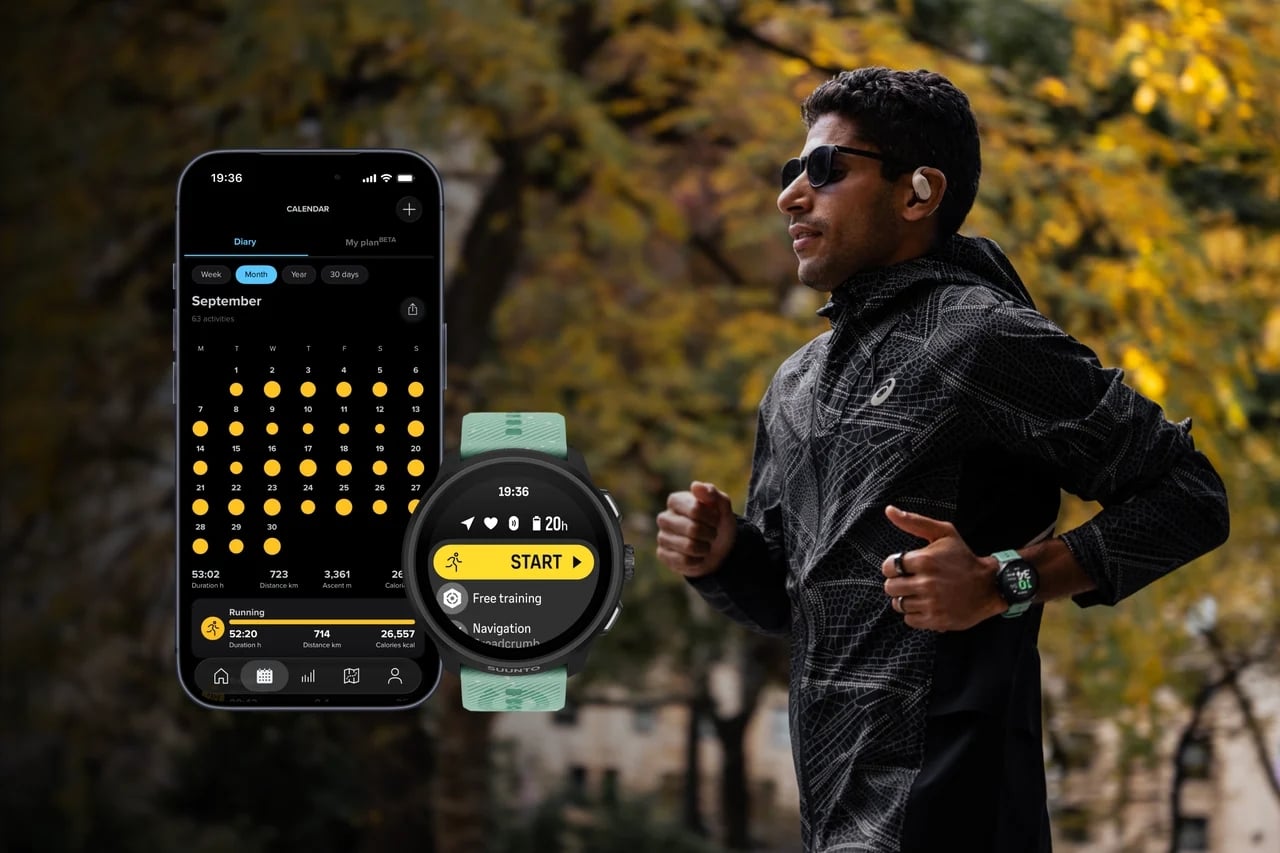
He considered pushing his mileage higher, but found that about 130 miles a week let him recover well and keep his workouts sharp.
Rather than adding runs to hit a mileage target, he focuses on arriving at every key session ready to perform.
The lesson: Consistency matters more than chasing bigger numbers.
Four Key Workouts: Speed Meets Marathon Strength
Talbi's build pairs long, sustained efforts with faster intervals. Together they develop endurance and prepare him for the unpredictable pace changes of New York.

Workout 1: 40K Long Run
His long runs were the clearest sign of progress, including two of the fastest 40K sessions of his career: a hilly run at 3:14/km (about 2:09) and a faster one at 3:09/km (about 2:06), with the final 10K covered in about 29 minutes.
How he felt mattered more than the time. He believes he can now hold about the same effort over 40 kilometers that he used to hold over 35.
Workout 2: 20K Tempo
Talbi ran a continuous 20K tempo in 1:00:19, averaging 3:01/km, just two days after a demanding hill session. He had considered going 25 to 30 kilometers but stopped at 20K when fatigue started to affect his effort, saving his energy for the next workout.
Workout 3: 5 × 3K
One standout session was five progressive 3K repetitions with 1K recovery at altitude in Colorado Springs, from 8:39 down to 8:17. The final repetition was 22 seconds faster than the first.
Workout 4: 6 × (2K Fast + 1K Float)
New York takes more than steady marathon pace. To prepare for mid-race surges, Talbi added alternating-pace sessions.
In one 2K fast and 1K float session, he tested a Suunto heart rate chest strap to see how his heart rate responded to the fast repetitions and how it recovered during the float sections.
Train at 90%, Race at 100%
For all the impressive numbers, Talbi believes long-term development depends on knowing when to stop.
In one progressive 5K workout, he stopped at three repetitions instead of four because his legs had not fully recovered.
His philosophy is simple: training should build fitness, not drain it.
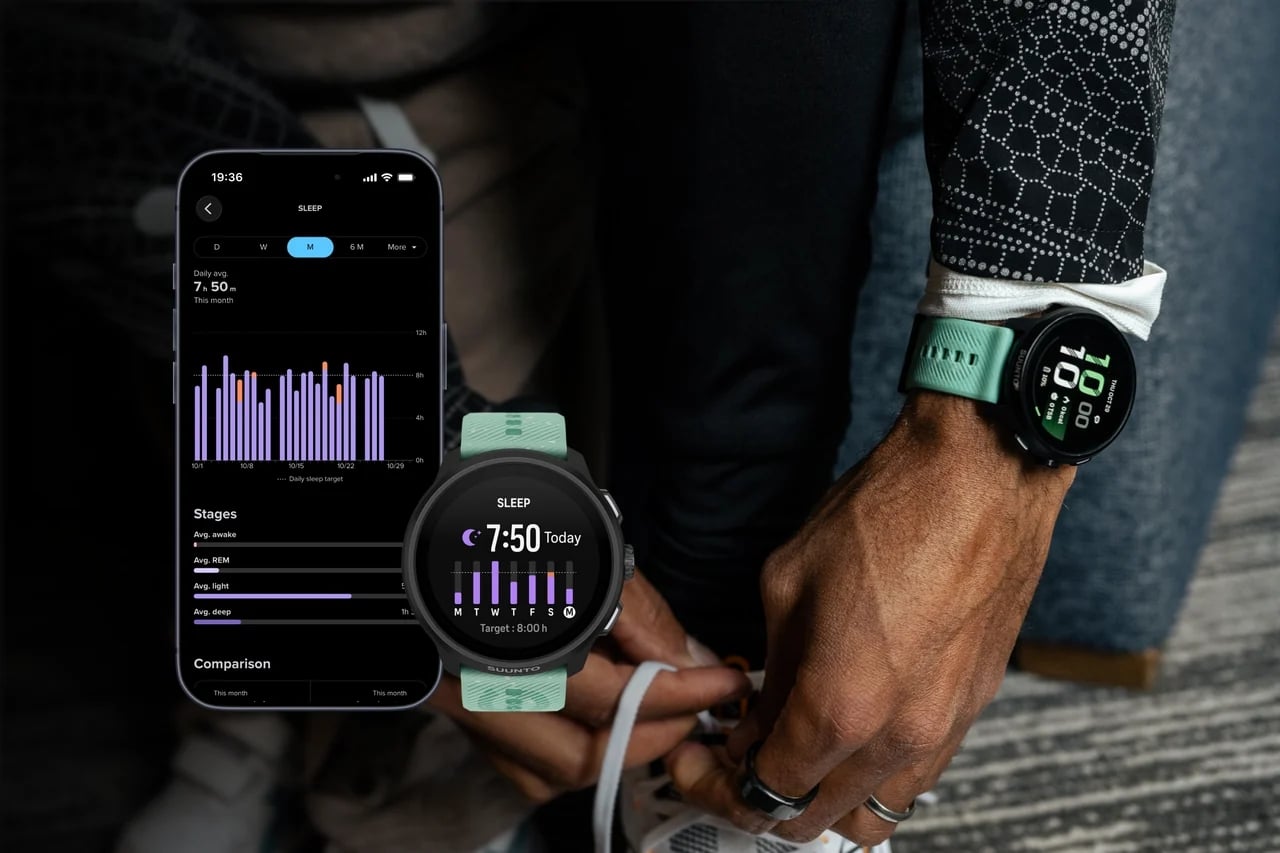
Recovery matters just as much. Talbi sleeps at least eight hours a night and prioritizes nutrition and regular recovery work, so his body can absorb more than 200 kilometers of running a week.
The lesson: The goal of training is to arrive at race day ready to give everything.
Sleep: The Foundation of Recovery
Sleep is another essential part of Talbi’s routine.
He aims for at least eight hours of sleep per night, recognizing that recovery becomes increasingly important when running more than 200 kilometers per week.
From Training to Racing: Winning the Great North Run
Seven weeks before New York, Talbi delivered a season highlight, winning the Great North Run in 59:47.
On a challenging, hilly course with no pacemakers, he responded to early surges and made his decisive move in the final two kilometers.
The race showed exactly what his marathon-specific workouts are designed to build: the ability to hold a strong effort and accelerate when the race demands it.
For Talbi, the win confirmed that his training is moving in the right direction.
Training Tools for Your Own Marathon Build
Talbi's approach comes down to managing effort and pace, and Suunto Run 2 puts tools for both on your wrist. A 35 g watch body is easy to forget on long runs, and the 2,000-nit display keeps your numbers easy to read in strong sunlight.
Marathon Mode: Marathon Time gives you a live finish-time estimate based on your pace, with distance covered and race progress alongside, so you can run your plan with confidence.
EnergySense (beta): Shows your energy availability during exercise so you can manage effort on longer runs and arrive at key sessions ready to perform. EnergySense is currently in beta, with continuous improvement ongoing.
Ghost Runner: Lets you compare your pace against a virtual runner during training, a useful way to practice the pace changes New York demands.
Every Finish Line Is a New Beginning
For Zouhair Talbi, the 2026 New York City Marathon marked another milestone in a remarkable season.
From his 2:03:45 performance in Boston to his Great North Run victory and American course best in New York, his progression reflects years of consistent training and a commitment to continuous improvement.
But behind the results is an important lesson.
Talbi doesn’t approach every workout as an opportunity to prove how fast he can run.
He focuses on building fitness, respecting recovery, and making the right decisions to perform when it matters most.
Through his partnership with Suunto, Talbi has shared the training insights behind his progress, showing how consistency, smart preparation, and recovery contribute to elite marathon performance.
His journey demonstrates that running faster isn’t always about training harder.
Sometimes, it’s about training smarter.
Train with purpose. Recover with intention. Race without limits.
The journey continues.