Ever noticed that a morning run can feel sluggish, while the same workout feels easier in the afternoon? Performance depends on training volume, intensity and how well you've adapted, and also on the time of day you train.
Your circadian rhythm shapes how you feel and function from hour to hour, and exercise can shift that rhythm in turn.
That doesn't mean everyone should train at the same hour. The best workout time is the one that lets you sleep enough, train consistently and recover well.
This guide explains how circadian rhythms and chronotypes work, how your body clock and exercise influence each other, and how to schedule your workouts around your goals, daily habits and activity data.
Table of Contents
What Is a Circadian Rhythm?
A circadian rhythm is the cycle of physical, mental and behavioral changes your body goes through over roughly 24 hours, coordinating its functions across the day. It affects sleep-wake patterns, body temperature, hormone release, metabolism and alertness.
These rhythms are generated and regulated by your internal biological clock, or body clock. It keeps running even without external time cues, and its natural cycle may be slightly longer or shorter than 24 hours.
Your body clock is made up of a master clock and peripheral clocks spread through your tissues. The master clock, the suprachiasmatic nucleus (SCN) in the brain's hypothalamus, coordinates rhythms across the whole body, while peripheral clocks in muscles, the liver and other tissues help regulate local functions.
To stay in sync with the day-night cycle, your body clock relies on timing signals from the environment. Light is one of the most powerful, and meal timing, exercise and daily activity patterns may also play a role. These synchronizing signals are known as zeitgebers.

What Is Chronotype?
Body clocks don't all run on the same schedule, so natural bedtimes, wake-up times and peak-energy hours vary from person to person. This natural preference for certain sleep and wake times is your chronotype. Chronotypes are usually grouped into three categories, though the lines between them are blurry and many people fall somewhere in between:
- Morning Type: Naturally goes to bed and wakes up early, and usually feels most energetic in the morning.
- Intermediate Type: Falls between early and late sleep-wake schedules, with no strong morning or evening preference.
- Evening Type: Naturally goes to bed and wakes up later, and may feel most alert in the afternoon or evening.
Evening types are often called night owls. Chronotype is shaped by age, genetics, light exposure and lifestyle, so your sleep and wake times can shift across different stages of life and living situations.
An evening chronotype is a normal individual variation, not a sleep disorder. As long as you get enough sleep and your days aren't significantly affected, being a night owl is simply how your clock runs.
How Are Circadian Rhythm and Exercise Connected?
The same workout can feel different in the morning and the evening, thanks to daily swings in body temperature, alertness and other physiological processes. The connection runs both ways: your body clock influences your training, and the timing of your training can shift your body clock.
How Circadian Rhythm Influences Exercise Performance and Recovery
Circadian rhythms shape your physiological state across the day, which can affect performance, how a workout feels and how well you sleep and recover afterward. The main effects include:
- Body Temperature and Muscle Function: Core body temperature typically reaches higher levels in the afternoon to early evening. Changes in body temperature can affect muscle contractions, force production, and movement coordination, contributing to daily variations in strength, power, and other aspects of athletic performance. For runners, the same workout may feel different and produce different results depending on when it's performed, although endurance performance does not necessarily follow the same pattern of variation.

- Alertness and Attention: Circadian rhythms influence alertness and cognitive performance throughout the day, which may affect attention and reaction time during exercise. When you're sleepy or less alert, it may be harder to stay focused, and you may take longer to respond to external stimuli.
- Hormones and Energy Regulation: The secretion of many hormones varies with circadian rhythms. These changes help regulate various physiological processes, including sleep, wakefulness, and energy metabolism, and may further influence energy levels during daily activities and physical performance. However, the level of any single hormone alone cannot determine which time of day is best for training.
- Sleep and Recovery: Circadian rhythms help coordinate the body's sleep-wake cycle. When your sleep schedule is misaligned with your internal biological clock, sleep quality and daytime energy levels may be affected, which can in turn influence training performance and post-exercise recovery.
How Exercise Timing Affects Circadian Rhythm
Exercise can shift the phase of your circadian rhythm, meaning where a biological rhythm sits within the 24-hour cycle, such as when you start to feel sleepy at night or naturally wake up in the morning. When that timing moves, it's called a phase shift: earlier is a phase advance, and later is a phase delay.
Light exposure, routine changes and exercise can all cause phase shifts. If you usually start feeling sleepy around 10 p.m., for example, a change in when you exercise may move that feeling earlier or later. The direction of an exercise-induced phase shift depends on when you work out and on your chronotype.
A study involving 52 young, sedentary adults asked participants to complete 30 minutes of moderate-intensity exercise in either the morning or evening for five consecutive days. The results showed that morning exercise generally advanced circadian rhythm phase. Further analysis by chronotype found that evening exercise could cause a phase delay in morning types, while both morning and evening exercise caused a phase advance in evening types.
In this study, the morning and evening windows were set relative to each participant's own body clock rather than to fixed clock times. So the findings can't be turned into one fixed workout time for everyone.
How to Align Your Workout Schedule With Your Circadian Rhythm
Natural sleep schedules and energy patterns differ, so the best time to exercise varies from person to person. Weigh your sleep, goals and daily schedule to find the right time, and use light exposure, workout timing and consistent routines to adjust your rhythm gradually when you need to.
Understand Your Natural Rhythm
Understanding your chronotype starts with simple observation. Track your natural sleep and wake patterns over a few weeks:
- Log your bedtime, wake-up time and sleep duration each day, and note any big differences between training days and rest days.
- Notice when you tend to feel sleepy, when your energy and focus peak, and when you feel most ready to train.
- Notice whether sleepiness or low energy regularly affects your morning or evening workouts.
These observations give you a clearer sense of your chronotype and whether your current schedule fits your natural rhythm.
Choose Workout Times Based on Your Needs
When choosing workout times, consider your chronotype, training goals, physical condition, and daily schedule rather than relying solely on whether you're a morning or evening type.
- Easy Runs: Prioritize a time that's easy to stick to and doesn't cut into your sleep. Morning workouts may fit more naturally into the routines of morning types, while evening types may prefer a time during the day or afternoon when they feel more ready to exercise.

- High-Intensity Workouts, Such as Intervals and Tempo Runs: Try to schedule these workouts when you're alert and feeling physically ready. If you often feel that your body hasn't fully woken up during morning workouts, allow more time for your warm-up or consider adjusting your workout time.
- Race-Specific Training: If you already know your race start time, consider scheduling some workouts at a similar time of day. This can help your body gradually adapt to exercising at that time while allowing you to monitor your sleep and recovery.
These are guidelines, not fixed rules. Even if you have an evening chronotype, you can still train in the morning as long as you get enough sleep, warm up properly, and can meet the demands of the workout. The key is to find a schedule that supports your training goals and that you can maintain over time.

Support Your Body Clock With Daily Habits
Coordinating light, exercise timing and daily activities gives your body consistent timing cues that help you hold or adjust your routine:
- Use Light Exposure: Get natural light soon after waking to tell your body the day has started. A morning run outdoors gives you that light at the same time. Before bed, keep bright light to a minimum.

- Adjust Exercise Timing: To shift your schedule earlier, move some workouts to the morning or earlier in the day, paired with morning daylight and a consistent routine for steadier timing cues.
- Keep Daily Routines Consistent: Try to maintain relatively consistent wake-up and main meal times, and avoid major fluctuations in your daily schedule.
When changing your sleep or workout schedule, start with small steps and let your body's response guide the next one. Go at your own pace, and skip the all-nighters: forcing a schedule change by staying up all night is not recommended.
If you're considering using melatonin to adjust your sleep schedule, consult a doctor or pharmacist first rather than following a one-size-fits-all recommendation for timing and dosage.
How Can Data Help Adjust Training With Your Body Clock?
Beyond chronotype and schedule, your sleep, training and recovery data can show whether your current routine fits your body clock.
Observe Connections between Workout Timing and Sleep
Check whether workout timing affects your sleep. Along with your usual sleep patterns, note the start and end time of each workout. Look for links between workout times and changes such as later bedtimes, shorter sleep or poorer sleep quality, and notice how you feel the next morning and whether your daytime energy changes. Sleep tracking on Suunto sports watches lets you review your sleep times, duration and multi-day trends, and pairing that data with how you feel gives you a fuller picture. If certain workout times keep disrupting your sleep, shift your training to leave enough room for rest and recovery.
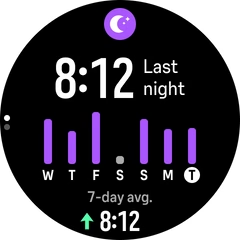
Check whether your sleep affects your training. Compare each night's sleep with your performance the next day. Notice whether short sleep, a late bedtime or poor sleep quality leaves you more tired, low on energy or struggling to finish planned sessions. If that pattern repeats, your sleep schedule may be holding your training back, so adjust your routine or that day's workout.
Combine Training Performance, HRV and Body Feedback
Use Training Performance to Monitor Changes in Exercise Capacity
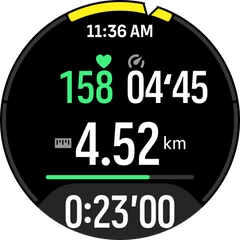
In addition to sleep records, compare training data from different times of day to see how your performance varies. For example, under similar training conditions, check whether your heart rate at the same pace shows consistent changes, or whether your pace decreases when maintaining the same heart rate.
If you use a Suunto device that supports running power, you can also monitor whether you can consistently maintain your target power and workout intensity. At the same time, pay attention to how you feel during the same workout. Notice whether you become fatigued more easily than usual or find it harder to reach your expected performance level.
Use Heart Rate Variability (HRV) to Assess Recovery
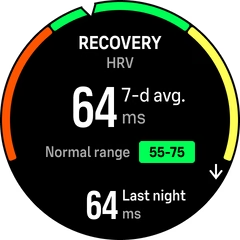
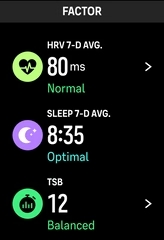
HRV can serve as a reference for monitoring recovery, but it does not directly measure circadian rhythm phase. Suunto devices that support HRV recovery tracking compare your 7-day rolling average HRV with your personal baseline range to help you identify persistent changes. For example, if your HRV remains outside your normal range after several consecutive evenings of high-intensity training and you also feel more fatigued in the morning, compare these changes with your sleep records and recent training to see whether they may be related to your workout schedule.
Consider Training Load and Other Lifestyle Factors
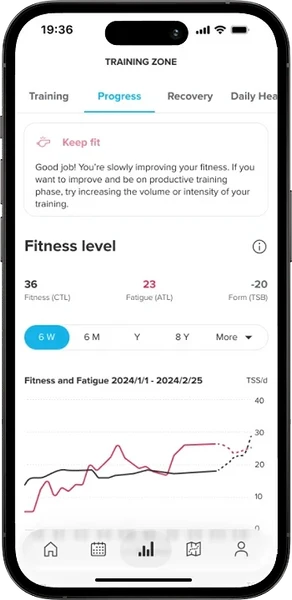
Review your recent workout frequency, duration, intensity, and training load in the Suunto App. Compare these with changes in sleep, training performance, and HRV to see whether your physical condition may be related to adjustments in your training schedule. Also consider other factors that may affect sleep, performance, and recovery, such as work stress, alcohol consumption, and illness.
Since all these factors can affect your physical condition, looking for consistent patterns across multiple indicators can help you better assess whether your workout schedule and daily routine align with your circadian rhythm and make adjustments accordingly.
Where to Find Sleep, HRV and Training Data on Suunto
Once you know which data to pay attention to, you can use the Suunto App and your sports watch to review your records and monitor changes in training performance, training load, sleep, and recovery over time.
- In the Suunto App:
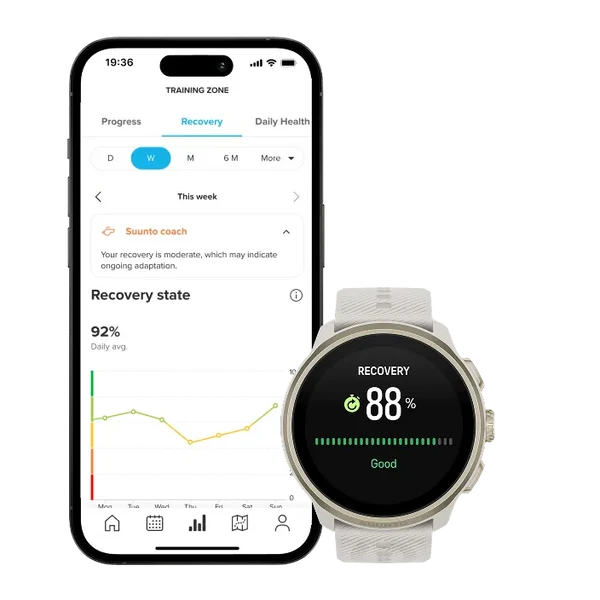
- Sleep and recovery data: Go to Training Zone-> Recovery to view Training Fatigue, Sleep, and HRV. You can also find the corresponding data widgets on the Dashboard.
-
- Training performance data: Go to Training Zone-> Training / Progress or Activities to review workout records and related performance data.
- On Your Suunto Watch: Use the corresponding widgets to view sleep, recovery, and training data. Available metrics and displayed information vary by watch model.
Takeaways
Your best workout time is one that fits your sleep, recovery and daily routine as well as your energy. Start with a schedule you can keep, then use your sleep, recovery and training data in Suunto to see whether it needs adjusting. Look for patterns over weeks rather than overhauling your plan based on a single workout or one night's data.
FAQ
Is there a best time of day to exercise?
There is no single best time to exercise that works for everyone. When choosing a workout time, consider your chronotype, training goals, daily schedule, and sleep patterns. In the long run, consistency and getting enough recovery matter more.
Can evening exercise affect sleep?
Not necessarily. For most healthy adults, finishing a workout several hours before bed has little effect on sleep. High-intensity exercise close to bedtime may delay sleep onset or affect sleep quality for some people, so adjust your workout's end time and intensity based on how you respond.
Can a sports watch measure your circadian rhythm?
Not directly. A sports watch can't measure the phase of your internal clock, but it tracks sleep timing, HRV and exercise data that help you see changes in your routine and training status. Use that information as a reference when adjusting workout times; it's no substitute for a professional circadian rhythm assessment.
How can you adjust your schedule before a race in another time zone?
Start shifting your sleep and wake times gradually a few days before you leave. Traveling east generally means shifting earlier, and traveling west means shifting later. Once you arrive, follow local meal and activity times, and time your light exposure and light avoidance to your direction of travel and the time difference. Adjust training intensity to your sleep and travel fatigue as well.