It's below freezing, the headwind makes it feel colder than the forecast, and it's already pitch dark. Your plan calls for a 40-minute easy run tonight, and the doubts creep in: "Do I really need to go out in this? If I skip tonight, is the whole week blown?"
Plenty of runners hit the same wall once deep winter sets in. Force a rigid schedule through unpredictable weather, and one or two missed sessions can snowball into weeks off. Staying consistent all winter comes down to understanding what's working against you, building a flexible plan with a clear baseline and backup options, and dialing in your cold-weather prep and tracking when you do head out.
Table of Contents
Why Winter Training Slips
Before looking at how to stay consistent, it helps to know what actually keeps you indoors. Exercise behavior research points to a handful of barriers that commonly derail winter training, most often a mix of harsh weather, lost daylight and packed schedules.
Cold Weather and Poor Roads Hinder Outdoor Runs
Freezing temperatures, rain, snow and icy pavement take a toll on comfort and safety. A cold headwind strips heat from your skin fast, while rain, snow and freeze-thaw ice raise your risk of slipping or rolling an ankle. People worried about snow and ice are even more likely to shelve a workout than those dealing with cold air alone.
Shorter Days Limit Time and Energy
Winter days are noticeably shorter, shrinking your window for daylight runs before or after work. Running in the dark cuts your visibility, means watching more closely for traffic and uneven footing, and can raise safety concerns if you're heading out alone.
Less sunlight can also sap your energy through your body clock. Shorter days can disrupt mood and sleep, leaving some people sleeping longer, feeling sluggish during the day and less motivated for everyday routines.

Holiday Schedules Disrupt Your Routine
Winter also brings year-end deadlines, the holiday season and back-to-back family gatherings. If you usually run at a set time each day, travel, social plans and extra work hours quickly crowd out your training slots.
Moderate to vigorous activity tends to dip in winter, while sitting time often peaks over the holidays. Once outside commitments break your rhythm a few times in a row, getting back on track takes much more mental effort.
How to Build a Weekly Running Plan You Can Stick to in Winter
Winter training usually stalls because weather and schedules throw too many curveballs, rather than from a lack of willpower or the wrong goal. Without room to bend, one rough week can bring the whole plan to a halt.
A plan with backup strategies built in makes following through much easier. Start by setting a minimum weekly frequency to protect your fitness and ease the mental pressure, then build a flexible week around weather windows and indoor alternatives.
Hold Your Minimum Effective Frequency
Rigid, all-or-nothing standards backfire fast: the moment you hit a roadblock, it's tempting to skip the workout altogether.
Research shows that as long as you keep your workout intensity, you can cut your weekly frequency by a third to a half, or shorten your sessions, and still hold on to your aerobic endurance for months. For most everyday runners, a baseline of at least two runs a week at roughly half your usual volume is enough to maintain fitness through bitter cold or busy stretches. Locking in that floor matters far more than chasing weekly mileage totals.
Split Up Longer Workouts
Daylight windows on winter weekdays are tight, and long runs in subzero air raise the risk of sweat chilling on your skin and cold hands and feet. If you have a 50- to 60-minute aerobic run planned but can't find a single open block, or don't want to stay out in the cold that long, split it into two shorter sessions. Run 25 minutes over a sunny lunch break and 25 in the evening, or do 30 minutes outside and finish with 20 minutes on the treadmill or some indoor core work.
When total daily time and intensity match, splitting aerobic exercise into shorter bouts delivers the same cardiorespiratory benefits as one continuous run, while lowering the mental barrier and cutting your time in the cold.
Use Weather Windows and Indoor Backups
Once your minimum frequency is locked in, having a backup plan makes sticking to your week much easier. Runners who decide ahead of time how they'll swap workouts when conditions turn bad hold steadier weekly volume over the long haul:
- Schedule quality workouts around weather windows: Check the forecast at the start of the week and move key sessions like intervals or tempo runs to dry, calmer, or warmer midday slots.
- Switch indoors on icy or stormy days: Moving indoors during freezing rain, black ice, or bitter wind is a smart way to avoid cold injuries and falls. Swap your run for the treadmill, indoor cycling, or lower-body strength work—at the same effort, treadmill running gives your heart and lungs essentially the same training stimulus as running outside.
Reduce Friction with Cues and Support
On dark, freezing days, the hardest part is often the last few minutes before you step outside. You can cut down that hesitation with simple prep cues and outside support:
- Set up consistent pre-run cues: Lay out your winter layers, headlamp and watch the night before, and tie getting dressed to a fixed daily trigger, such as right after you brush your teeth in the morning or the moment you get home from work.
- Lean on training partners and community: Booking a morning run with a friend or joining a run club or online challenge raises the cost of skipping.

Monitor Pace, Distance, and Heart Rate in Winter
Beyond frequency, workout types and backup plans, a winter schedule also means adjusting how hard you push based on the conditions and how you feel.
- Let effort lead, not pace or distance: Extra layers, headwinds and snowy or slick surfaces all raise your energy cost, so the same effort naturally produces a slower pace. Let RPE and the Talk Test set your intensity rather than chasing perfect splits.
- Back up wrist heart rate with your breathing: Cold air can keep your heart rate flat or slightly lower at a given workload, and cold-induced vasoconstriction reduces blood flow at the wrist, which can make optical heart rate readings less stable. Check your heart rate against your breathing: if an easy run leaves you too winded to speak in full sentences, ease back even if your watch shows a low heart rate.
How Suunto Race 3S Helps You Track Your Winter Training Consistently
Alongside a flexible schedule and smart winter habits, a sports watch built for subzero cold, low light, snow and changing plans takes a lot of friction out of winter training. Rated to operate from −20°C to +55°C, Suunto Race 3S pairs a bright display, dual-band GPS with offline maps, upgraded optical heart rate tracking, long battery life and smart recovery tools for tough winter conditions.
Read Your Metrics Clearly in Dark Mornings and Snow Glare
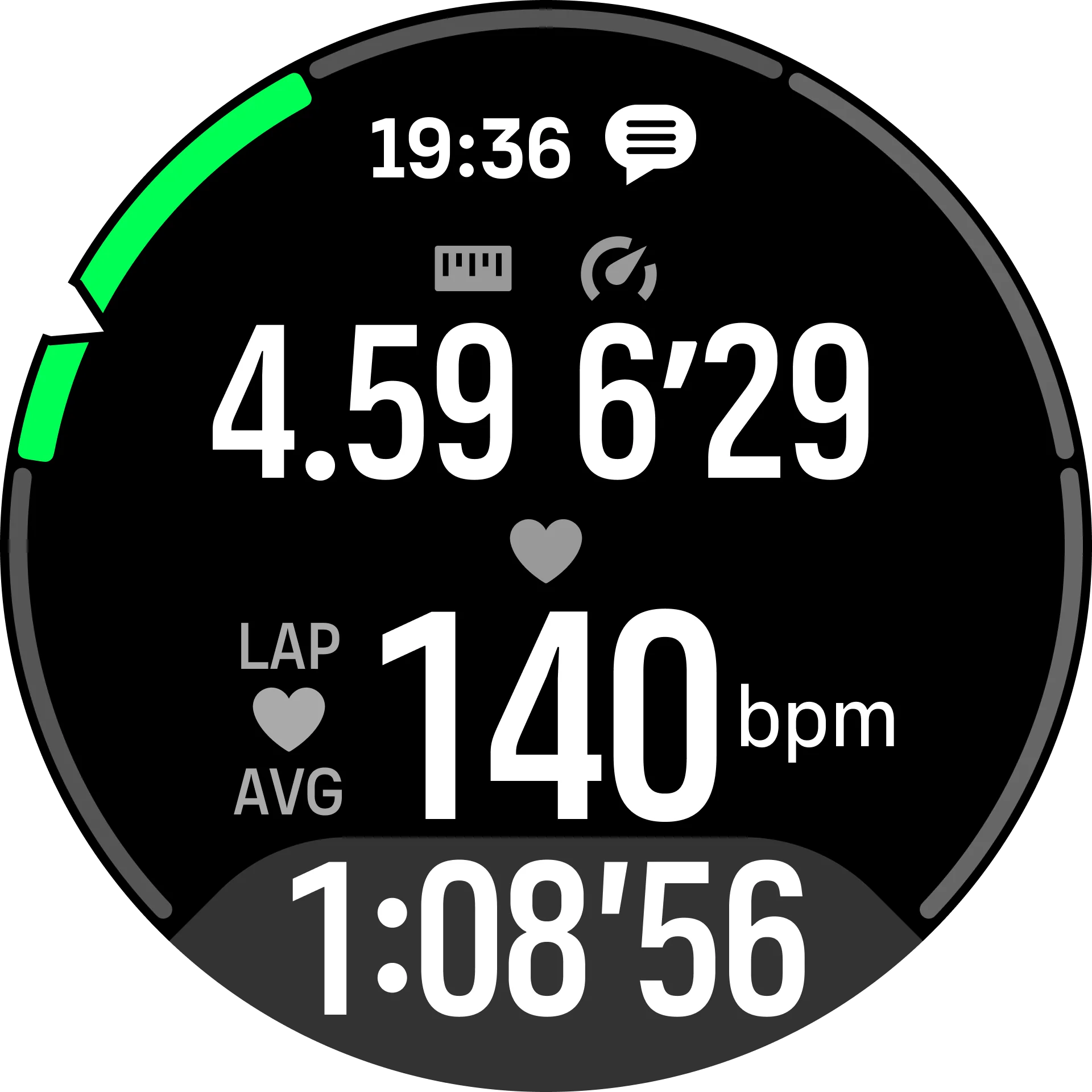
Winter running swings between two lighting extremes: pitch-black mornings and evenings, and bright midday glare off fresh snow. Suunto Race 3S has a 1.32-inch AMOLED display with 2,000 nits of brightness under sapphire crystal glass. On an unlit path before dawn or across sunlit snow, a quick glance shows your pace, heart rate zone and duration clearly.
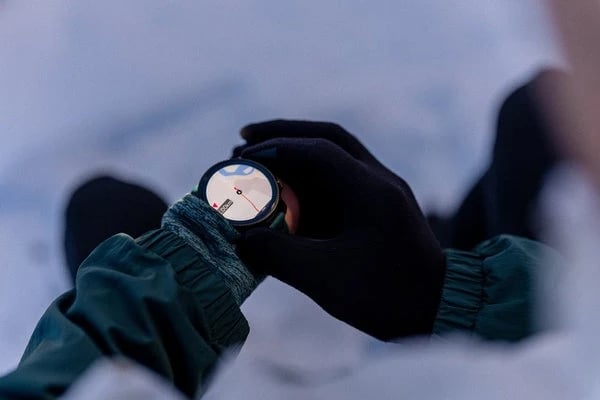
With a digital crown and physical buttons, Suunto Race 3S lets you scroll screens, zoom maps or pause a workout with your gloves on.
Navigate Winter Routes with Dual-Band GPS and Offline Maps
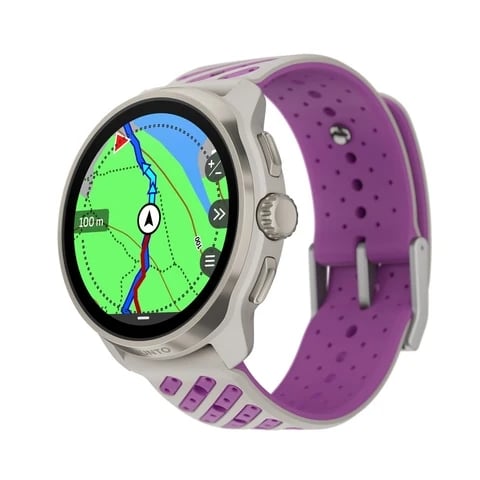
Suunto Race 3S uses dual-band (L1 + L5) multi-satellite GPS for accurate tracking in challenging environments, and its 64GB of storage holds free global offline maps from the Suunto app. If you need to detour around an icy stretch or lose sight of a trail marker, you can check offline maps, contour lines and your breadcrumb trail right on your wrist.
Monitor Your Effort with Upgraded Heart Rate Tracking
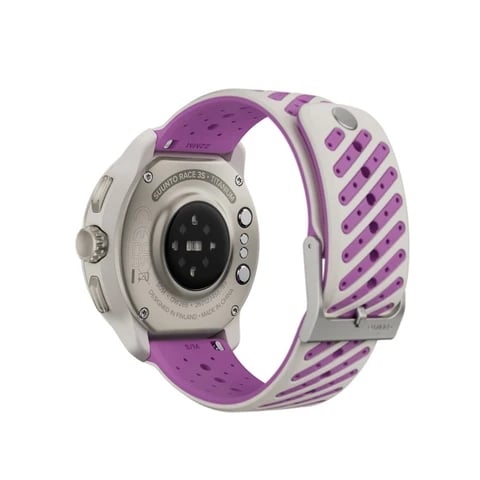
Cold weather puts extra demands on wrist-based heart rate. Suunto Race 3S has an upgraded optical sensor with 6 LEDs and 4 photodiodes for steadier readings.
If you prefer to wear your watch over your jacket sleeve, pair it with the Suunto Smart Heart Rate Belt. It reads electrical signals directly from your chest, so cold skin at the wrist has no effect on your data.
Rely on Cold-Ready Battery Life Through Long Winter Sessions
Below freezing, the chemical reactions inside a battery slow down, cutting its usable capacity and runtime.
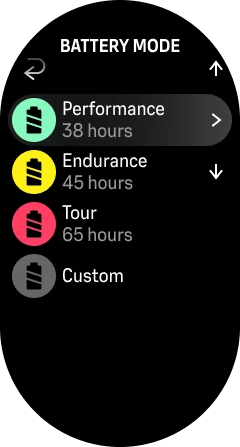
Suunto Race 3S is built to operate down to −20°C, and under standard conditions it delivers up to 38 hours in its highest-accuracy GPS mode and up to 12 days in daily use. That headroom means you can head out on long weekend winter sessions with battery to spare.
Review Your Running Metrics to Track Long-Term Winter Progress
Syncing your workouts to the Suunto App gives you objective metrics to track your winter progress over the long run:
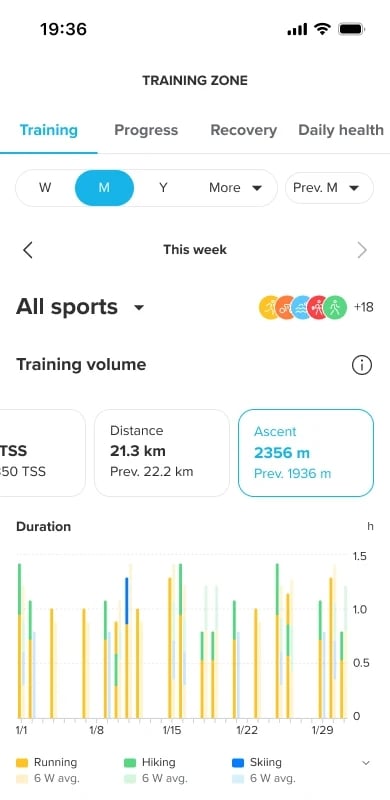
- Training Stress Score and Training Volume: Check your single-session Training Stress Score (TSS) in Activities and your weekly or monthly volume in TRAINING ZONE → Training to quantify actual workload.
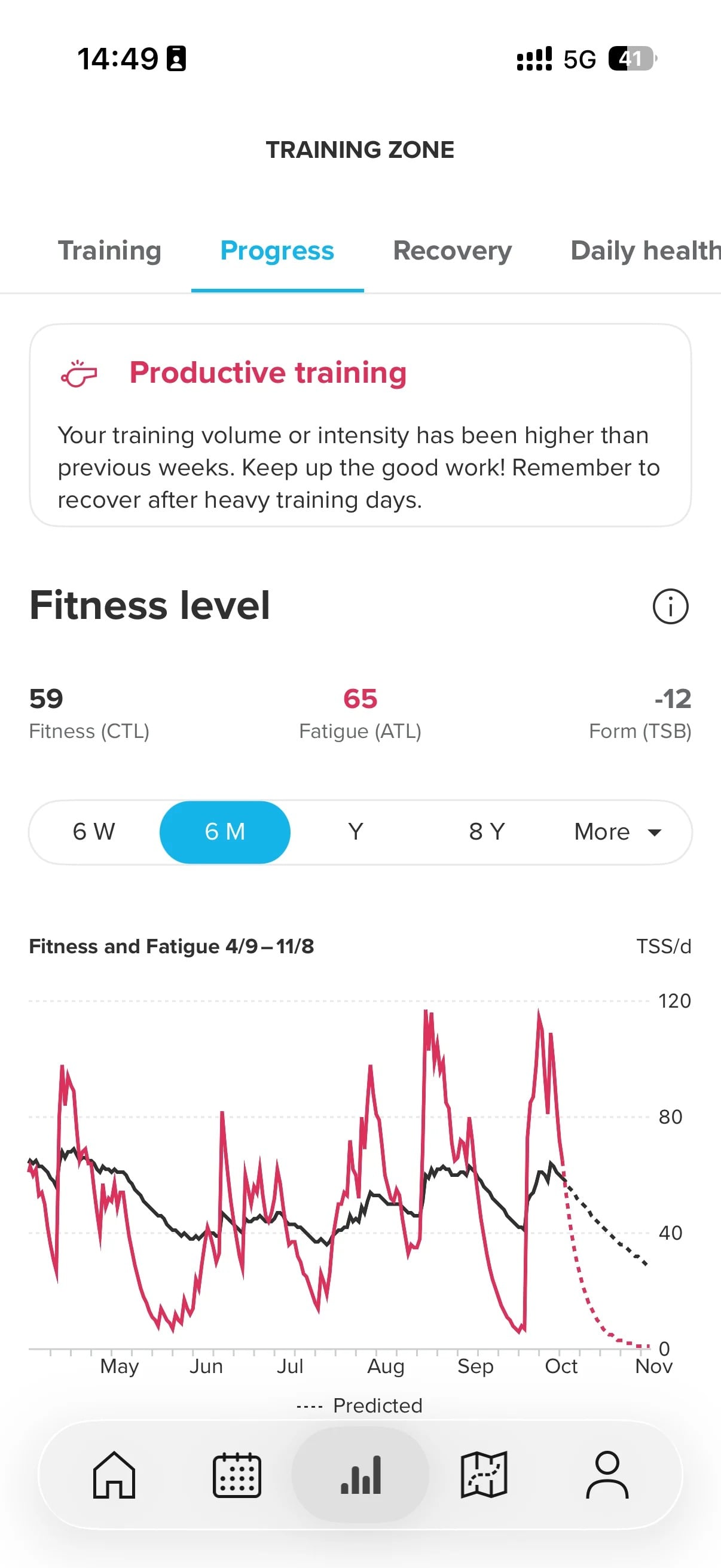
- Chronic Training Load and Fitness Trend: Follow your Chronic Training Load (CTL) curve and VO2max trend in TRAINING ZONE → Progress as one reference to gauge whether your aerobic base is holding steady or building over winter.
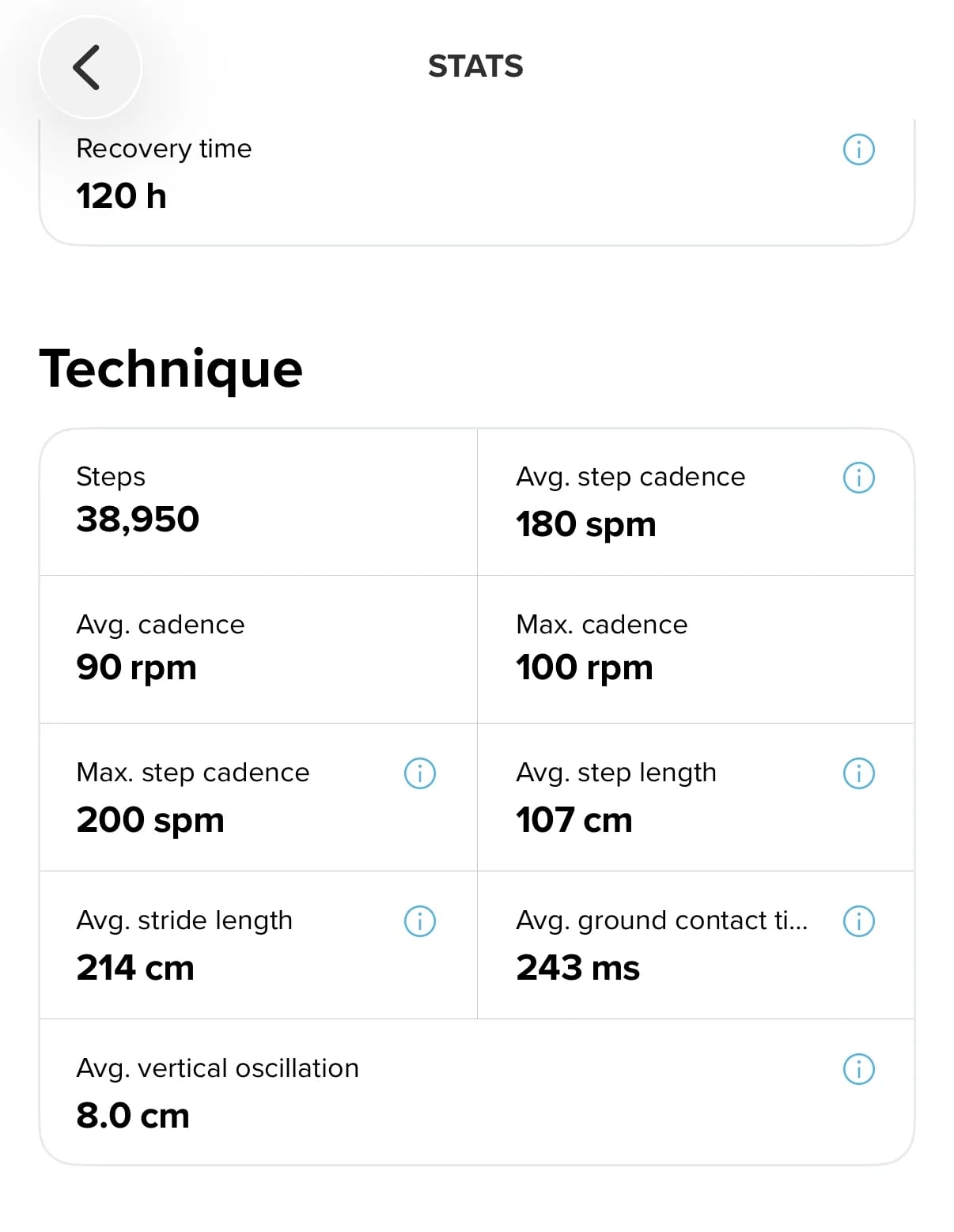
- Running Dynamics: Heavy layers, stiff muscles in the cold, and slick surfaces can subtly alter your stride. Reviewing Cadence, Ground Contact Time, and Vertical Oscillation in Activities after a run helps you see how winter gear and conditions affect your mechanics.
Adapt Your Weekly Plan with Suunto AI Coach and Recovery Insights
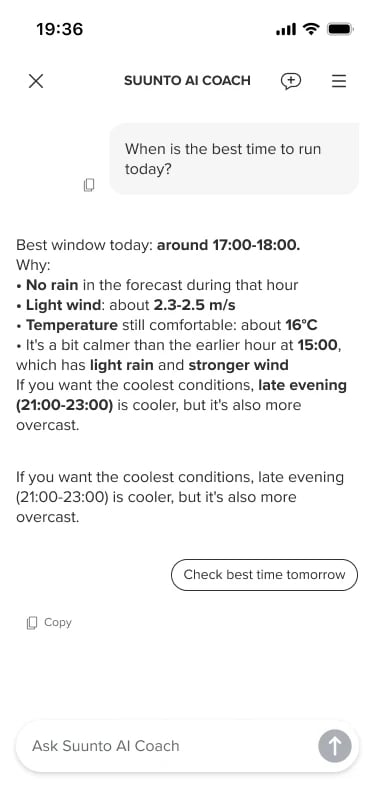
When snowstorms, icy roads, year-end overtime or poor sleep knock out a planned session, Suunto AI Coach helps you rework the rest of your week.
Suunto Race 3S tracks sleep quality, overnight HRV, daily stress and training load. In the Suunto app, Suunto AI Coach uses your recovery status and recently completed training to suggest practical schedule changes.
Run Lighter with a Slim 56g Build and Offline Music
Bulky watches can catch on snug thermal cuffs or let cold air up your sleeve. At 11.4 mm thin and 56 g, Suunto Race 3S slips comfortably under winter layers and is easy to forget when you're tracking sleep overnight.
Its 64GB of storage also holds music for offline playback through Bluetooth headphones, so your phone can stay home, safe from the cold.
How to Make Outdoor Winter Runs Manageable and Safe
When the forecast cooperates and you head outside, the goal is a cold-weather run that feels smooth and safe. Pre-run weather checks, layering, indoor warm-ups, footing and hydration keep winter miles manageable.
Check the Weather and Road Conditions Before You Head Out
Check more than the air temperature before you go. Look at the wind chill (the "feels like" temperature in most weather apps) along with actual surface conditions. When wind chill drops, your skin loses heat fast. At a wind chill of −27°C (−18°F) or below, exposed skin faces a high risk of frostbite within 30 minutes.
If freezing rain, widespread black ice, heavy snowstorms or dense fog are in the forecast, switch straight to your indoor backup instead of risking a fall or frostbite.
Dress in Layers to Stay Warm and Dry
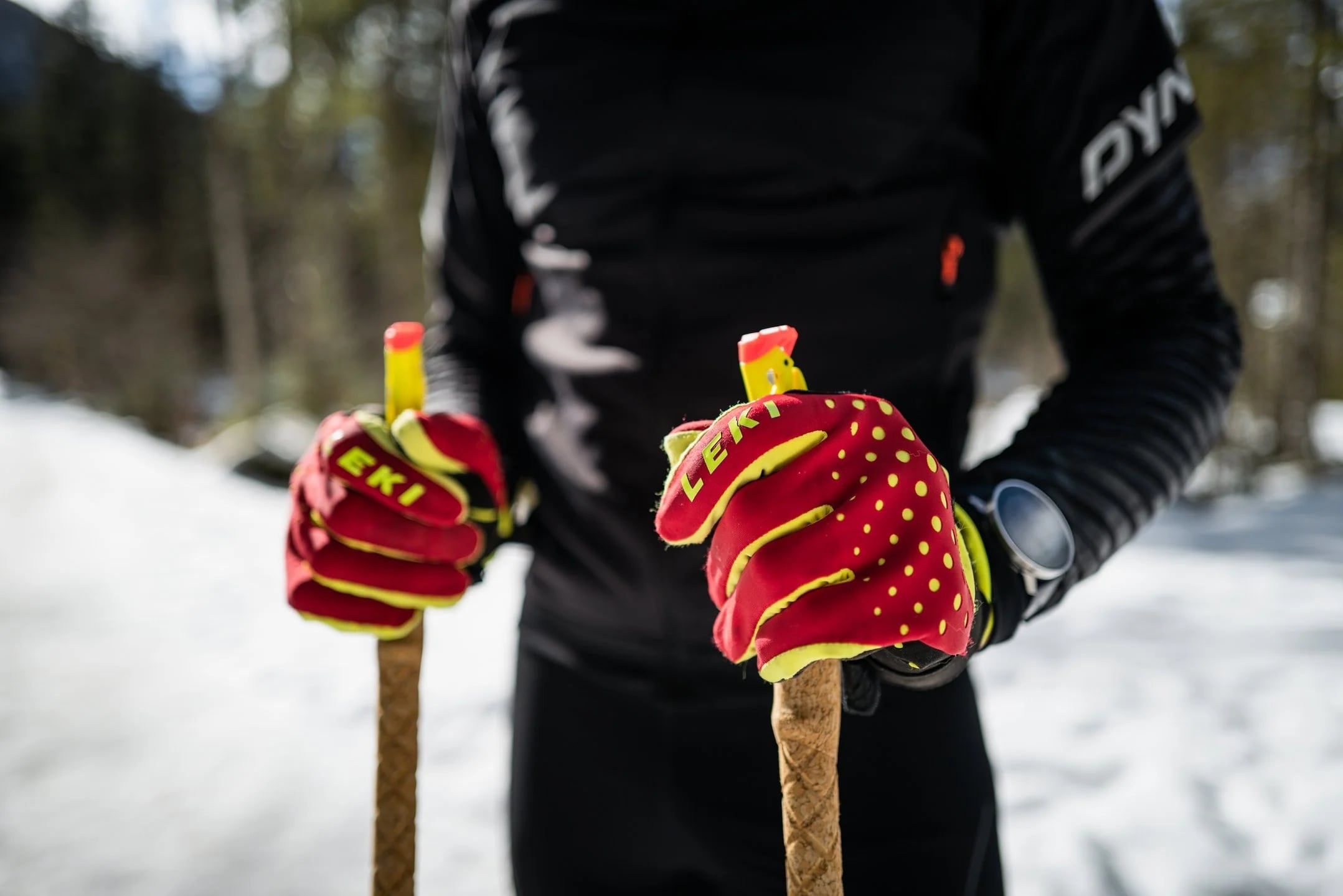
Dressing for winter running is a balancing act, since your needs shift with intensity, wind speed and your own cold tolerance. A classic three-layer system lets you vent heat through zippers, cuffs and removable accessories as you warm up, while keeping your extremities protected:
| Layer | Primary Function | What to Wear |
|---|---|---|
| Base Layer | Wicks sweat off your skin to keep you dry | Choose moisture-wicking polyester, nylon, or merino wool; avoid cotton |
| Mid Layer | Traps body heat | Pick lightweight fleece or wool based on the temperature |
| Outer Layer | Blocks wind, rain, and snow | Wear a windproof, breathable shell; add waterproofing for rain or snow |
Warm Up Indoors and Prepare for Winter Surfaces, Visibility, and Hydration
To take the sting out of the first couple of miles and stay safe from start to finish, follow these four steps:
- Warm up indoors first: Spend a few minutes on dynamic movements inside to raise muscle temperature, blood flow and joint mobility before you step into the cold. You'll start smoother and lower your risk of strains.
- Adjust your stride and pace for winter footing: Snow and uneven thaw-refreeze surfaces change your running mechanics. Use this guide to match your approach to the surface:
| Surface Condition | Running Tip |
|---|---|
| Dry, cleared pavement | Run as you normally would |
| Slick pavement or light snow | Slow down, shorten your stride, and watch your footing |
| Packed snow | Wear shoes with better grip, add traction cleats if needed, and run with caution |
| Soft or deep snow | Increases drag and effort; lower your intensity or switch routes |
| Ice or black ice | Avoid it—don't run directly on icy surfaces |
- Stay visible in low light and snow glare: On dark morning or evening runs, wear reflective gear and a headlamp or chest light so you can spot hidden ice and drivers can see you early. On sunny days after snowfall, wear sports sunglasses to cut glare off the snow.
- Plan your hydration and change out of damp layers: It's easy to assume you need less fluid in winter, but cold air blunts your thirst signals. One study found that exercising in cold air suppressed perceived thirst by up to 40% compared to mild conditions, even as warming dry air in your airways and sweating beneath layers still deplete fluids. Drink proactively on longer winter runs, tucking soft flasks close to your body or holding them to keep nozzles from freezing—and change out of damp base layers as soon as you get back inside so you don't chill fast.
Conclusion
Staying consistent through winter means leaving room in your schedule for shifting weather and busy weeks, rather than grinding out summer paces in bitter cold. Protect your minimum effective frequency, keep indoor backups ready, prep smartly for outdoor runs, and use Suunto Race 3S to track your heart rate and long-term training load. Hold that consistency, and you'll see the endurance payoff in spring.
FAQs
What temperature is too cold to run outside?
Go by wind chill rather than air temperature alone. Once wind chill drops to −27°C (−18°F) or lower, exposed skin can develop frostbite within 30 minutes, so take your workout indoors.
How can you protect your lungs when running in cold air?
Your upper airways warm and humidify the air you breathe, so cold air reaches body temperature well before it gets deep into your lungs, and it won't freeze lung tissue. That tight chest, dry throat or post-run cough comes from breathing large volumes of cold, dry air quickly, which strips moisture from your airways and causes temporary irritation.
To protect your airways in the cold, wear a light, breathable neck gaiter or face covering loosely over your mouth and nose, warm up gradually before you head out, and move hard, heavy-breathing intervals indoors.