Choosing a running watch often starts with comparing specifications such as GPS accuracy, battery life and training features. But numbers alone don't tell you how well a watch will support your training or how it will feel on your wrist.
For runners who enjoy longer distances, trail running and outdoor adventures, a watch needs to do more than track pace and distance. Reliable GPS, long battery life and navigation tools help you stay on track, while training insights can give you a better understanding of your performance and recovery. At the same time, a comfortable, lightweight design makes a difference when you wear your watch throughout the day.
Finding the right balance between performance and comfort is key to choosing a watch that can keep up with both your training and your adventures.
Table of Contents
Why Does Comfort Matter When Choosing a Running Watch?
A running watch often stays on your wrist beyond your workouts. You may wear it throughout the day, during training, racing, and even while sleeping to monitor recovery. Over time, its weight, size and materials can make a noticeable difference in how comfortable it feels. Three design factors are particularly important when choosing a watch you can wear comfortably throughout your daily routine.
Weight and Running Comfort
A lighter watch puts less weight on your wrist, making it less noticeable during long runs and everyday activities. This can make a difference when you wear your watch for hours at a time, especially during extended workouts or overnight sleep tracking.
Reducing weight, however, doesn't have to mean compromising on performance. Suunto Race 3S weighs approximately 56 g with its silicone strap while offering up to 38 hours of battery life in dual-band GPS mode. It shows how a relatively lightweight design can still provide the battery capacity needed for longer training sessions and outdoor activities.
Watch Size and Wrist Fit
A watch that doesn't fit your wrist properly can become uncomfortable even if it's lightweight. A case that's too large may extend beyond the wrist, while excessive thickness can make the watch feel bulky or catch on clothing. During running, an insecure fit may also cause the watch to shift around, affecting comfort and potentially the consistency of wrist-based heart rate readings.
This is particularly important for runners with smaller wrists, who may find larger watches harder to wear comfortably throughout the day and during longer workouts. When choosing a running watch, consider not only its weight but also its case diameter and thickness, especially if you have smaller wrists. Suunto Race 3S combines a 46 mm case with an 11.4 mm profile, offering a relatively slim design without compromising display size.

Materials and Everyday Wearability
The materials of a running watch affect how it feels against your skin and how comfortable it remains during extended wear. A stiff or poorly ventilated strap can become uncomfortable when sweat builds up, while a flexible strap that adjusts securely can provide a more natural fit during exercise.
Durable materials also help a watch stand up to regular training and outdoor use. A protective bezel and scratch-resistant glass, for example, can help guard against everyday knocks and scratches. The goal is to find a combination of materials that feels comfortable while being durable enough for regular use.
What Performance Features Matter in a Running Watch?
Comfort and a lightweight design make a running watch easier to wear, but its performance determines how well it supports your training. Let's take a closer look at the performance features that matter.
GPS Accuracy and Tracking Performance
Accurate GPS tracking helps you understand your distance, pace and route, giving you a more reliable picture of each workout. This is especially important in challenging environments such as cities, forests and mountains, where buildings or dense tree cover can affect positioning accuracy. Multi-GNSS and dual-band GPS can improve tracking reliability by accessing multiple satellite systems and frequency bands.
If you enjoy exploring unfamiliar routes through trail running or hiking, offline maps are another useful feature to look for. They let you view routes and surrounding terrain directly on your watch, even without a network connection. Suunto Race 3S supports these needs with dual-band GPS for reliable activity tracking and offline maps for route navigation. Whether you're running in familiar surroundings or exploring new trails, these features help you track your activities and find your way along unfamiliar routes.

Battery Life for Different Running Needs
Battery life is another important consideration, especially if you train for longer distances or spend extended periods outdoors. A watch that lasts through everyday training may not necessarily provide enough battery for a marathon or a long trail run.
Pay attention to battery life in different GPS modes rather than looking only at the maximum figure advertised. More demanding tracking settings, such as dual-band GPS, typically use more power. Choosing a watch with enough GPS battery life for your longest planned activities helps ensure it can keep tracking throughout your run or outdoor adventure.
Training and Recovery Features
A running watch should do more than record your distance and pace. The right training features can help you understand how your body responds to exercise and how your fitness develops over time.
Heart rate monitoring and running dynamics provide more detail about your workouts, while training load metrics help you understand the effort you're putting in over time. Recovery indicators, including HRV and sleep tracking, add further context to your training and rest patterns.
If you follow a structured training plan, workout guidance and training plan support can also help you organize sessions and stay on track toward your goals. Suunto Race 3S brings these capabilities together with Suunto AI Coach, offering personalized training insights based on your activity data.
Sports Modes and Additional Features
Even if running is your main activity, you may want a watch that supports other sports and outdoor activities. A wide selection of sports modes makes it easier to track activities such as cycling, hiking, strength training and swimming, giving you more flexibility as your interests change.
Additional features can also make everyday use more convenient. For example, offline music lets you listen to your favorite tracks without carrying your phone. Consider which activities and features are relevant to your routine, rather than choosing a watch based on the number of functions it offers.
Suunto Race 3S: Lightweight Design Meets Powerful Performance
Suunto Race 3S brings together the comfort of a lightweight sports watch and the performance features needed for everyday training and outdoor adventures.
Lightweight Design for Everyday Comfort
Weighing approximately 56 g with the silicone strap, Suunto Race 3S features a 46 mm case with an 11.4 mm profile. Its glass fibre reinforced polyamide case helps keep the construction lightweight, while the titanium bezel and sapphire crystal add durability.
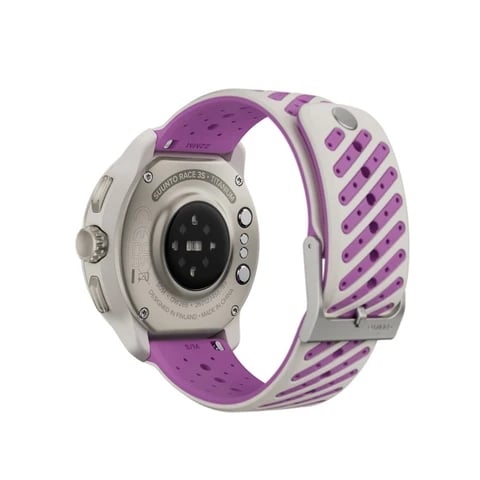
Together with its silicone strap, the watch is designed to feel comfortable during everyday wear and extended training sessions, without giving up the robust construction needed for outdoor use.
Performance for Training and Outdoor Adventures
Suunto Race 3S offers up to 38 hours of battery life in dual-band GPS mode, providing the runtime needed for long training sessions and outdoor activities. Its GPS tracking supports everyday running, while offline maps and Climb Guidance offer additional support when exploring unfamiliar terrain.
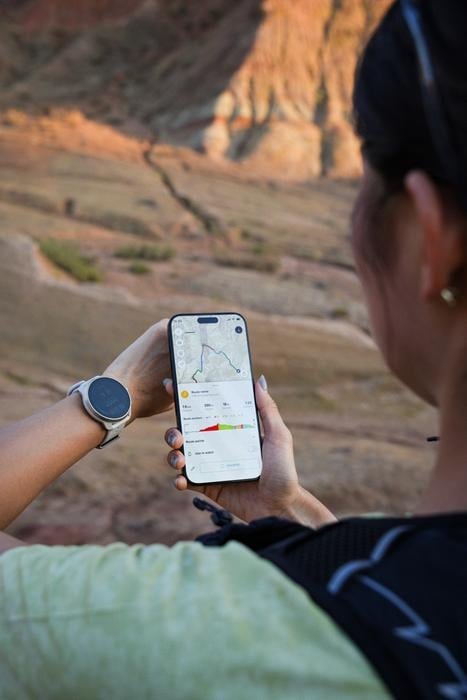
For training and recovery, Suunto Race 3S provides insights through heart rate zones, training load, HRV and sleep tracking, helping you better understand workout intensity, training progress and recovery. Suunto AI Coach adds another layer of guidance based on your activity data, helping you make more informed training decisions.
With support for 120+ sports modes, Suunto Race 3S can track a wide range of activities beyond running, including cycling, hiking and other outdoor sports. Offline music playback also lets you enjoy your favorite music without carrying your phone.
Conclusion
Choosing a sports watch isn't simply about finding a lightweight design. A comfortable fit, durable materials and everyday wearability matter just as much as GPS accuracy, battery life and training features.
Suunto Race 3S brings these qualities together in a lightweight sports watch designed for demanding training and racing, combining everyday comfort with the performance needed to take on challenging trails and races.